Maintenance & repair
Every vehicle, regardless of its make or price point, shares one fundamental truth: consistent maintenance is the single most important factor in determining its longevity, safety, and resale value. Yet for many car owners, the world of automotive maintenance feels unnecessarily complex—a maze of conflicting advice, intimidating terminology, and uncertainty about what truly matters versus what can wait.
The reality is far more approachable than many believe. Vehicle maintenance isn’t about mastering mechanical engineering; it’s about understanding your car’s basic needs and establishing sustainable habits. Think of your vehicle like your own health: regular check-ups prevent emergency room visits, just as scheduled servicing prevents roadside breakdowns. This comprehensive overview demystifies the essential pillars of automotive care, from decoding service schedules and choosing the right mechanic to monitoring tire safety and protecting your paintwork. Whether you’re a new driver or simply looking to take more ownership of your vehicle’s care, these foundational concepts will empower you to make informed decisions with confidence.
Understanding Service Schedules and Intervals
The foundation of effective vehicle maintenance lies in understanding when and what type of service your car requires. Modern vehicles are engineered with specific maintenance schedules designed to keep them running optimally, and adhering to these intervals is crucial for both performance and warranty protection.
Full Service vs. Interim Service: What’s the Difference?
Most manufacturers recommend two types of routine service. A full service is a comprehensive health check typically performed annually or every 12,000-15,000 miles, covering everything from brake inspection and fluid replacement to filter changes and detailed system diagnostics. An interim service, performed roughly halfway between full services (around 6,000-7,500 miles), focuses on essential consumables like oil, basic fluid top-ups, and critical safety checks.
Understanding this distinction helps you budget appropriately and avoid unnecessary work. If your mechanic suggests a full brake system overhaul at what should be a simple interim service, you’ll recognize the mismatch and can ask informed questions.
Mileage vs. Time: Planning According to Actual Use
Here’s where many owners go wrong: blindly following either time-based or mileage-based intervals without considering their driving patterns. If you drive only 3,000 miles annually in short urban trips, time becomes your primary metric because fluids degrade and seals dry out regardless of distance. Conversely, high-mileage highway drivers may reach service thresholds based on distance well before the calendar dictates.
The solution is simple: follow whichever limit comes first. Your service schedule should list both parameters—for example, « Oil change every 10,000 miles or 12 months, whichever occurs first. »
The Hidden Value of Complete Service History
A documented service history is your vehicle’s resume. Stamped service books or digital records proving consistent maintenance can add hundreds or even thousands to resale value, as they provide prospective buyers with confidence that the vehicle has been properly cared for. Missing documentation raises red flags and often triggers lower offers or lost sales entirely. Always retain receipts and ensure work is properly recorded, even for services performed outside main dealer networks.
Choosing Your Service Provider Wisely
Where you service your vehicle significantly impacts both cost and quality. The decision between dealerships and independent garages isn’t simply about price—it’s about matching your vehicle’s needs with the right expertise and value proposition.
Dealerships vs. Independent Garages: Making the Right Choice
Dealerships offer manufacturer-trained technicians, genuine parts, and warranty protection—critical advantages for newer vehicles under warranty. However, their labor rates are typically 20-40% higher than independent specialists. Once your warranty expires, independent garages often provide equal or superior service at more competitive rates, particularly those specializing in your vehicle’s brand.
The key questions to ask: Is my vehicle under warranty? Does this repair require specialized diagnostic equipment? Am I comfortable with quality aftermarket parts? These answers will guide your decision for each service situation.
Decoding Repair Quotes and Avoiding Overcharging
A detailed quote should itemize parts, labor hours, and hourly rates separately. Vague estimates like « around $800 for brake work » prevent you from comparing prices or understanding what you’re paying for. Request written quotes that specify:
- Exact parts being replaced (with part numbers for major components)
- Labor time allocated for each task
- Hourly labor rate
- Whether parts are OEM (original equipment manufacturer) or aftermarket
Don’t hesitate to obtain multiple quotes for significant repairs. Transparency is the mark of a trustworthy mechanic, and competitive pricing only works in your favor.
Essential Preventive Maintenance Tasks
Beyond scheduled services, certain routine checks and replacements form the backbone of preventive maintenance. These tasks prevent the cascading failures that transform minor oversights into expensive repairs.
Monitoring Fluid Levels Regularly
Your vehicle relies on five critical fluids: engine oil, coolant, brake fluid, power steering fluid, and windshield washer fluid. Checking these monthly takes less than ten minutes but can prevent catastrophic engine damage or brake failure. Low coolant might indicate a leak before overheating occurs; declining brake fluid could signal worn brake pads before safety is compromised.
Modern vehicles often include dashboard warning systems, but these typically alert you only when levels become dangerously low. Proactive checking provides early warning and prevents emergency situations.
Replacing the Forgotten Filters
Air filters, cabin filters, and fuel filters are the unsung heroes of vehicle maintenance—and the most commonly neglected. A clogged engine air filter reduces power and fuel efficiency by up to 10%, while a saturated cabin filter circulates allergens and reduces HVAC effectiveness. These are among the simplest and most cost-effective replacements, yet many owners drive for years without addressing them simply because they’re out of sight.
Timing Belt Intervals: No Room for Delay
If your engine has a timing belt (rather than a chain), replacing it at manufacturer-specified intervals—typically between 60,000 and 100,000 miles—is non-negotiable. Timing belt failure causes immediate engine shutdown and often results in severe internal damage requiring thousands in repairs or complete engine replacement. This is preventive maintenance at its most critical: the part costs a few hundred dollars, but failure costs exponentially more.
Protecting Against Corrosion and Winter Damage
Chassis corrosion silently undermines structural integrity, particularly in regions where road salt is used during winter. Undercarriage washing after winter months removes corrosive salt deposits, while protective coatings create barriers against moisture. Similarly, preparing your vehicle for winter involves more than tire changes—battery testing, antifreeze concentration checks, and ensuring wiper blades and lights function properly all contribute to cold-weather reliability and safety.
Tire Safety, Wear Monitoring, and Legal Compliance
Tires represent your vehicle’s only contact with the road surface. Their condition directly determines braking distances, handling stability, and wet-weather safety. Understanding tire maintenance is therefore fundamental to safe driving.
Legal Minimums vs. Recommended Replacement Thresholds
Most jurisdictions require minimum tread depth of 1.6mm (2/32 inch), but safety organizations recommend replacement at 3mm for summer tires and 4mm for winter tires. Why the discrepancy? Legal minimums represent the absolute safety floor, below which tires are demonstrably dangerous. Recommended thresholds account for real-world wet braking performance, which degrades significantly before reaching legal limits.
Driving on legally worn tires means longer stopping distances and increased hydroplaning risk—perfectly legal, but far from safe. The modest cost of earlier replacement pales against the consequences of reduced wet-weather control.
Identifying Abnormal Wear Patterns
Even wear across the tread indicates proper inflation and alignment. Abnormal patterns tell specific stories: center wear suggests over-inflation; edge wear indicates under-inflation; uneven shoulder wear points to alignment issues. Learning to read these patterns helps you identify and correct underlying problems before they consume additional tires or compromise safety.
Managing Slow Punctures and Pressure Loss
Slow punctures are insidious because they often stabilize at reduced pressure rather than going completely flat. Driving repeatedly on under-inflated tires damages sidewalls, increases fuel consumption, and creates irregular wear. Monthly pressure checks—performed when tires are cold—catch gradual leaks before they cause lasting damage. If you find yourself adding air to the same tire repeatedly, professional inspection is warranted to locate and repair the leak permanently.
Winter Tire Regulations and Avoiding Penalties
Many regions mandate winter tires during specific months or weather conditions, with fines ranging from modest penalties to significant amounts per defective tire. Beyond legal compliance, winter tires provide dramatically improved traction below 7°C (45°F), when summer tire compounds harden and lose grip. This isn’t merely about snow performance—it’s about braking effectiveness and control in cold, dry conditions as well.
Protecting Your Vehicle’s Exterior and Paint
While mechanical maintenance ensures reliability, protecting your vehicle’s exterior preserves both aesthetics and resale value. Paint damage from stone chips, scratches, and UV exposure accumulates over time, diminishing appearance and potentially leading to corrosion.
Paint Protection Film: Investment and Benefits
Paint Protection Film (PPF) is a transparent, thermoplastic urethane layer applied to vulnerable areas. Modern PPF offers self-healing properties—minor scratches and swirl marks disappear with heat exposure—and prevents stone chips from penetrating to the paint surface. While initial investment runs from several hundred to several thousand depending on coverage area, the protection can preserve factory finish for years and significantly enhance resale value.
PPF vs. Ceramic Coating: Understanding the Difference
These technologies serve complementary rather than competing purposes. PPF provides physical protection against impacts and abrasion, while ceramic coatings create hydrophobic surface layers that enhance gloss and simplify cleaning. Think of PPF as armor and ceramic coating as a protective sealant—many owners combine both for maximum protection. PPF guards against physical damage; ceramic coating protects against environmental contamination and UV degradation.
Caring for and Removing Protective Films
Quality PPF requires minimal special care—regular washing with pH-neutral soap maintains clarity and self-healing properties. Avoid abrasive compounds or harsh chemicals that can degrade the film surface. Over time, typically after 5-10 years, films may yellow or lose adhesion. Professional removal is recommended to avoid paint damage, though quality films are engineered to remove cleanly when proper techniques are employed. The resale benefit of protected, chip-free paint often exceeds the initial PPF investment, particularly on premium vehicles where appearance significantly influences value.
Effective vehicle maintenance doesn’t require mechanical expertise—it requires understanding fundamental principles and establishing consistent habits. By recognizing the purpose behind service intervals, choosing service providers strategically, addressing preventive tasks proactively, monitoring tire safety diligently, and protecting your investment’s appearance, you transform maintenance from an anxious obligation into confident ownership. Your vehicle will reward this attention with reliability, safety, and retained value for years to come.
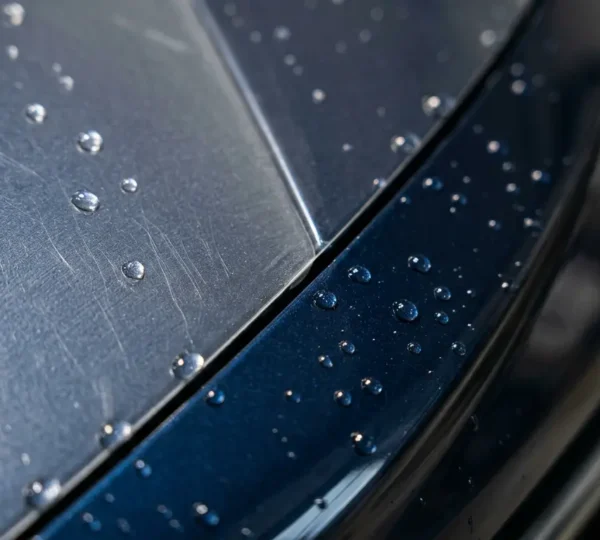
Is paint protection film (PPF) worth the price for a non-sports car?
The true value of PPF on a daily car isn’t about adding to its sale price, but in preventing you from losing thousands in depreciation from inevitable paint damage. A physical film is the only effective shield against stone chips…
Lire la suite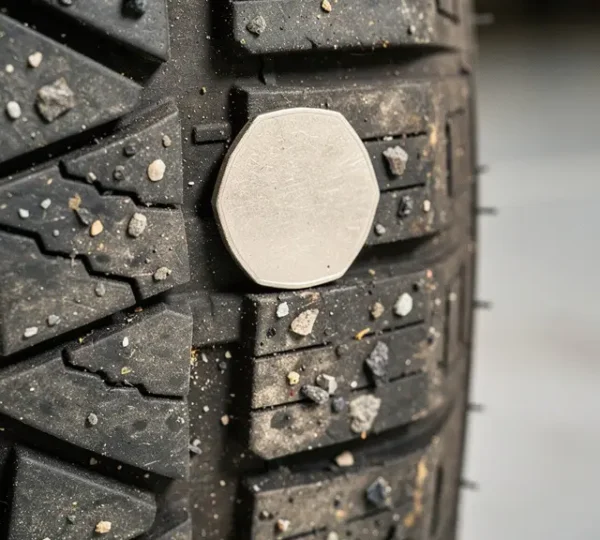
How to Check Your Tyres With a 20p Coin and Avoid a £2,500 Fine
Relying on the 1.6mm legal tyre tread limit is one of the most dangerous gambles a driver can take; the safety margin has already vanished by that point. Braking distance in the wet can increase by 44% when tread drops…
Lire la suite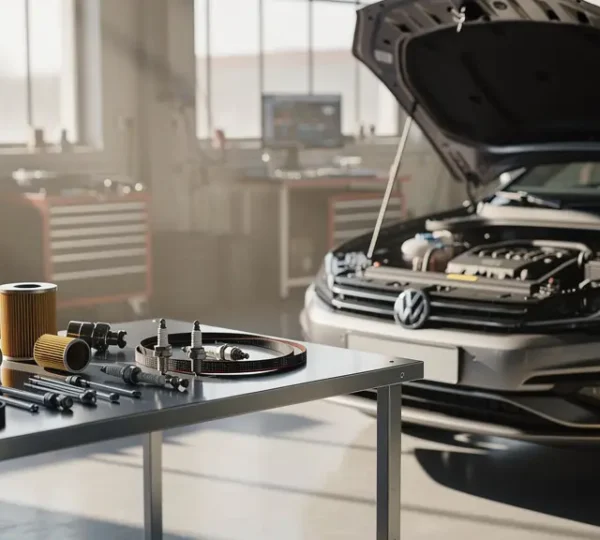
How to double the life of your engine with preventive maintenance?
In summary: Shifting your mindset from maintenance as an expense to an investment is key to engine longevity. Focusing on high-risk components like the timing belt and turbocharger prevents the most expensive, catastrophic failures. Using the correct, high-quality fluids (especially…
Lire la suite
How to Slash Your Annual Car Service Bill (Without Voiding Your Warranty)
The biggest drain on your car budget isn’t the car itself, but the belief that you’re trapped into paying dealership prices to protect your warranty. The law in many regions protects your right to use certified independent garages for all…
Lire la suite