Mobility & energy
The automotive landscape is experiencing a fundamental transformation. Drivers today face an increasingly complex web of choices: electric versus conventional powertrains, ownership versus sharing models, single-mode versus multimodal transportation strategies. Meanwhile, urban congestion intensifies, fuel costs fluctuate, and new regulatory zones reshape how we access city centers. Understanding the interplay between mobility choices and energy consumption has never been more critical to managing both your transportation budget and your daily stress levels.
This comprehensive resource examines the essential dimensions of modern mobility and energy management. Whether you’re evaluating electric vehicle charging strategies, seeking to reduce fuel consumption in your conventional car, navigating zero-emission zones, or exploring shared mobility alternatives, you’ll find practical knowledge to make informed decisions. The goal isn’t to advocate for one solution over another, but to equip you with the understanding needed to optimize your personal transportation ecosystem based on your specific needs, budget, and urban environment.
Understanding Electric Vehicle Charging Economics
For electric vehicle owners and prospective buyers, charging costs represent a new paradigm that replaces the familiar petrol station experience. Unlike fuel pricing, which remains relatively consistent across locations, electricity pricing varies dramatically based on where, when, and how you charge. This complexity can initially seem daunting, but understanding the fundamental variables puts you in control of your energy budget.
Home Charging Versus Public Infrastructure
Home charging typically offers the most economical option, with costs often 50-70% lower than public rapid charging stations. The calculation is straightforward: your domestic electricity rate multiplied by your vehicle’s consumption (typically 15-25 kWh per 100 kilometers for modern EVs). However, this assumes you have dedicated parking with electrical access—a privilege not available to all urban residents.
Public charging presents a more complex pricing landscape. Highway rapid chargers command premium rates due to their high-power infrastructure and convenient locations. Urban charging stations may bill by the kilowatt-hour, by the minute, or through a hybrid model. Understanding which billing method applies prevents unwelcome surprises and helps you calculate the true cost before plugging in.
Optimizing Through Time-of-Use Rates
Many electricity providers offer time-of-use tariffs that significantly reduce rates during off-peak hours—typically overnight. For home chargers, this can slash your charging costs by 40-60% compared to peak rates. The strategy requires minimal effort: simply schedule your vehicle to charge after midnight, when grid demand drops and renewable energy supply often exceeds consumption.
Subscription models for public charging networks add another layer of optimization. Monthly or annual memberships can reduce per-session costs, particularly for drivers who regularly use specific networks. The key is honest assessment: calculate your actual charging frequency before committing to avoid paying for convenience you won’t use.
Avoiding Hidden Penalties and Fees
Parking penalties at charging stations represent an often-overlooked cost. Many operators impose overstay fees to encourage turnover once your vehicle reaches full charge. These can escalate quickly—sometimes matching or exceeding the electricity cost itself. Setting charging completion notifications on your smartphone becomes essential to avoid these penalties, particularly at premium locations where overstay fees may reach several euros per hour.
Fuel Efficiency Strategies for Conventional Vehicles
Despite the electric transition, conventional vehicles will remain prevalent for years to come. Small behavioral adjustments and maintenance choices can reduce fuel consumption by 15-30%, translating to substantial annual savings without requiring vehicle replacement.
Aerodynamics and Vehicle Weight
Your vehicle’s aerodynamic profile dramatically affects fuel consumption, particularly above 80 kilometers per hour. Roof racks, even when empty, can increase fuel consumption by 10-15% at highway speeds. Think of them as parachutes constantly working against your forward motion. Remove them when not in use, and you’ll notice the difference in both fuel economy and reduced wind noise.
Similarly, every 50 kilograms of unnecessary weight increases consumption by approximately 1-2%. Golf clubs in the trunk year-round? Tools you rarely use? That case of bottled water « just in case »? These seemingly minor items compound into meaningful inefficiency over thousands of kilometers.
Climate Control Management
Air conditioning represents one of the largest parasitic loads on your engine, increasing fuel consumption by 5-20% depending on conditions and vehicle type. The dilemma, of course, is comfort versus economy. The optimal strategy varies by speed: at low urban speeds, open windows create minimal drag penalty. Above 60-70 kilometers per hour, aerodynamic drag from open windows actually consumes more energy than air conditioning. The crossover point depends on your specific vehicle, but this principle guides smart climate management.
Tire Selection and Maintenance
Low rolling resistance tires can reduce fuel consumption by 3-5% compared to conventional tires, with virtually no compromise in safety or longevity. These tires use specialized rubber compounds and construction techniques to minimize energy loss as the tire deforms against the road surface. Combined with maintaining optimal tire pressure—which degrades naturally at about 1 PSI per month—you create a foundation for efficiency that requires minimal ongoing attention.
Navigating the Start-Stop System Paradox
Start-Stop technology automatically shuts down the engine at stoplights and in traffic, promising fuel savings of 5-10% in urban driving. Yet this system remains one of the most misunderstood and controversial features in modern vehicles, generating countless questions about real-world benefits and potential mechanical costs.
When the System Won’t Activate
Understanding why Start-Stop sometimes refuses to activate prevents frustration and unnecessary dealer visits. The system monitors multiple parameters before permitting engine shutdown:
- Battery charge level must exceed a minimum threshold (typically 75-80%)
- Engine must reach normal operating temperature
- Climate control demands cannot exceed system capacity with engine off
- Brake vacuum must be sufficient for multiple pedal applications
- Steering angle must be neutral (system assumes parking maneuver otherwise)
These conditions explain why Start-Stop rarely activates during the first few minutes of driving or when running air conditioning on hot days. The system prioritizes safety and comfort over incremental fuel savings.
Battery Technology and Longevity
Start-Stop vehicles require enhanced flooded batteries (EFB) or absorbed glass mat (AGM) batteries—technologies specifically designed to withstand frequent cycling. Conventional batteries would fail within months under these conditions. While these specialized batteries cost 50-100% more at replacement time, they’re engineered for the application. Using a standard battery in a Start-Stop vehicle leads to premature failure and potential system malfunction.
The Real Fuel Economy Equation
Real-world Start-Stop fuel savings vary considerably based on driving patterns. In heavy urban traffic with frequent stops, savings can reach 8-10%. On routes with minimal stopping, benefits drop to 2-3%. The system delivers maximum value in congested city centers—precisely where fuel costs and emissions matter most from both economic and environmental perspectives.
Mastering Zero-Emission Zones and Urban Regulations
Cities worldwide are implementing zero-emission zones (ZEZ) or low-emission zones that restrict vehicle access based on emissions standards. These zones fundamentally alter urban mobility, creating a patchwork of regulations that can be difficult to navigate without preparation and knowledge.
Understanding Eligibility and Exemptions
Zone criteria typically rely on vehicle age, emissions standard (Euro 4, 5, 6, etc.), or powertrain type. The specific requirements vary by municipality and often tighten over time according to published schedules. Most zones offer exemptions for residents living within the zone, certain professional categories, and occasionally for vehicles adapted for disabled access. Understanding your eligibility status prevents both fines and last-minute routing chaos.
The True Cost of Non-Compliance
Penalty structures for unauthorized zone entry range widely but typically start at €50-180 per violation. For daily commuters who inadvertently enter restricted zones, these fines can accumulate to €1,000-2,000 annually—far exceeding the cost of alternative arrangements. Automated camera enforcement means violations generate penalties regardless of whether you were aware of the restriction, making proactive research essential rather than optional.
Strategic Alternatives for Zone Access
When your primary vehicle doesn’t meet zone criteria, several practical alternatives exist. Short-term rental of compliant vehicles for occasional zone access often proves more economical than purchasing a second vehicle. Car-sharing services increasingly position compliant vehicles specifically for this use case, with some offering preferential rates for zone-restricted users. For frequent access needs, the mathematics may favor purchasing or leasing a compliant vehicle, particularly as used electric vehicles become more affordable.
Embracing Multimodal and Shared Mobility
The assumption that personal car ownership represents the only viable solution is dissolving as technology enables seamless integration of multiple transportation modes. Multimodal mobility—combining cars, trains, bicycles, scooters, and walking strategically—often delivers superior convenience and economics compared to single-mode dependence.
The Park-and-Ride Strategy
Combining personal vehicles with public transit for the final urban segment resolves multiple challenges simultaneously. You avoid congested city centers, eliminate parking costs that may reach €20-40 daily in major cities, and reduce stress while gaining productive time during the transit portion. The strategy requires identifying secure park-and-ride facilities and understanding the total journey time, but for suburban residents working in city centers, the time and cost savings often prove substantial.
A folding bicycle stored in your trunk adds remarkable flexibility to this approach. The bike solves the « last kilometer » problem from transit stations to final destinations, eliminates schedule dependency for return trips, and provides backup options when transit disruptions occur.
Replacing the Second Vehicle
Many households maintain a second vehicle that sees limited use—perhaps 3,000-5,000 kilometers annually. The fixed costs of ownership (insurance, registration, depreciation, maintenance) typically total €2,000-4,000 annually before accounting for fuel. This expenditure often exceeds the cost of car-sharing memberships, occasional rentals, and ride-hailing services combined for light usage patterns.
Car-sharing platforms have matured significantly, offering convenient access through smartphone apps with vehicles often available within a few blocks in urban areas. The mental shift from ownership to access requires adjustment, but the financial mathematics increasingly favor shared solutions for occasional-use scenarios.
Micro-Mobility Integration
Electric scooters and bicycles occupy an interesting middle ground—too substantial to be simple accessories, yet too limited to be primary transportation. Their value lies in specific use cases: the transit station to office connection, short urban errands, or as backup options when your primary vehicle is unavailable. Understanding local regulations governing their use prevents legal complications, as rules vary significantly between jurisdictions regarding permitted riding locations, age restrictions, and equipment requirements.
Building Your Personal Mobility Strategy
The diversity of options available today means no single solution serves everyone optimally. Your ideal approach depends on your specific circumstances: urban versus suburban residence, daily travel distance, parking availability, family size, budget constraints, and personal preferences regarding driving versus transit time.
Start by honestly analyzing your actual mobility patterns over several weeks. How many trips fall within electric vehicle range? What percentage could use public transit with minimal time penalty? How often do you genuinely need vehicle capacity beyond a compact car? This data-driven self-assessment reveals opportunities you might otherwise overlook and prevents optimization based on edge cases rather than typical use.
The transportation landscape will continue evolving, with new technologies, regulations, and services emerging regularly. Building a flexible strategy that can adapt as your needs change and new options appear ensures you remain in control of both your mobility and your budget, regardless of how the automotive world transforms around you.

How to save £3,000/year by replacing your second car with car sharing?
Replacing your second car can save you over £3,000 annually, but only if you treat shared mobility as a strategic system to manage, not just a simple rental. The true cost of car ownership goes far beyond fuel and insurance,…
Lire la suite
Why is « Park and Ride » 30% faster than driving downtown?
Switching to a Park and Ride (P&R) system consistently cuts commute times not just by avoiding traffic, but by optimizing the entire journey’s hidden inefficiencies. It transforms passive, stressful time spent in traffic jams into predictable, potentially productive time on…
Lire la suite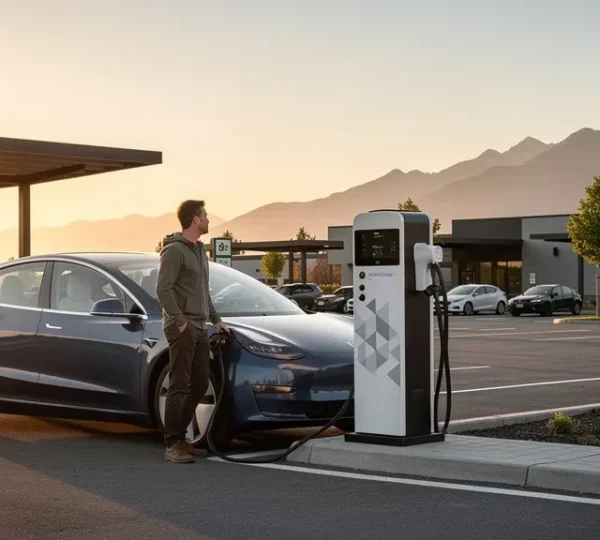
How to plan a 300-mile EV trip without stress or running out of power?
A successful long-distance EV trip isn’t about finding chargers; it’s about building a resilient system of options that makes failure nearly impossible. Develop a multi-layered contingency plan (Plan A, B, and C) for every charging stop to eliminate surprises. Mastering…
Lire la suite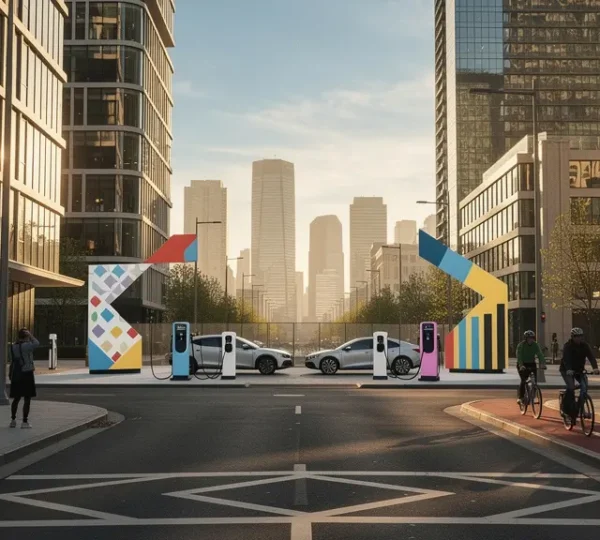
How to Navigate UK Zero Emission Zones Without Paying Daily Penalties
The key to managing ZEZ costs isn’t just avoiding daily fees, but making the most economically sound mobility decision for the next 3-5 years. Paying daily charges can easily cost more than leasing a compliant used EV over a three-year…
Lire la suite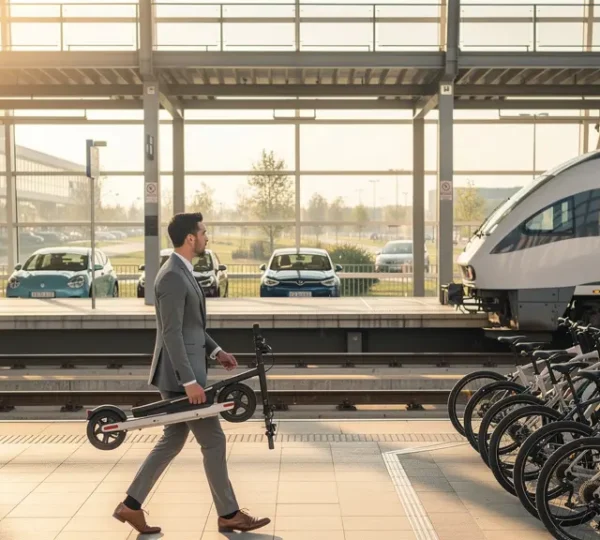
How to combine car, bike, and train for a seamless door-to-door journey?
True mobility freedom isn’t owning a car; it’s mastering an integrated system that makes car dependency obsolete. The key is to build a personal « Mobility Stack » with layers for payment, long-haul travel, and last-mile access. Strategic « parking arbitrage »—parking for free…
Lire la suite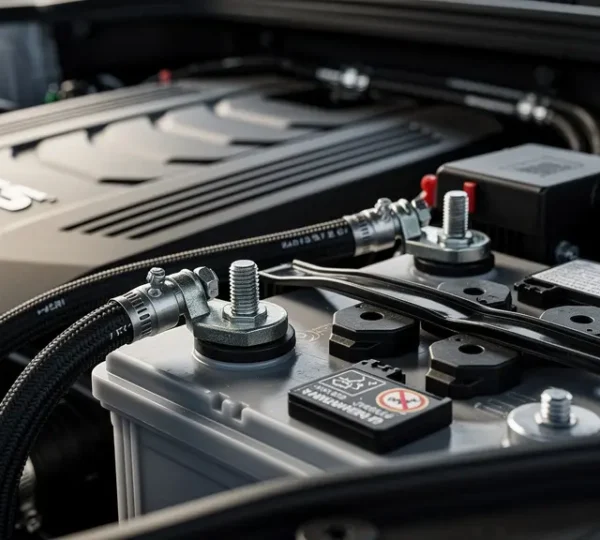
Why Isn’t My Start-Stop System Working at Red Lights?
Contrary to common belief, a Start-Stop system that doesn’t activate is rarely a sign of a broken car. More often, it’s an intelligent energy manager protecting your battery and ensuring your comfort. This guide explains the complex but logical reasons—from…
Lire la suite
How to increase your MPG by 15% without changing your car?
The key to saving fuel isn’t a secret list of tricks; it’s mastering the physics of drag, weight, and inertia that silently cost you money on every single drive. Aerodynamic drag from roof racks and even open windows is a…
Lire la suite
How to Charge Your Electric Car for Less Than £5 a Full Tank?
The secret to sub-£5 EV charging isn’t finding a cheap ‘pump’—it’s abandoning the petrol mindset entirely. True savings come from mastering ‘energy arbitrage’: systematically charging when electricity is cheap (overnight at home) and strategically avoiding expensive public rapid chargers for…
Lire la suite
How to cut 20 minutes from your city commute?
Reclaiming 20 minutes from your daily commute isn’t about one magic trick; it’s about making a series of smarter, data-backed decisions. Idling for over 10 seconds costs more fuel than restarting your engine, a small change with compounding savings. The…
Lire la suite