Parts & accessories
Every vehicle on the road today is an intricate assembly of thousands of components working in harmony. From the safety-critical braking system that stops your car in emergencies to the humble floor mat protecting your interior, each part and accessory plays a specific role in your driving experience. Understanding which components demand premium quality, which maintenance tasks prevent costly repairs, and which accessories genuinely add value can save you thousands while keeping you safer on the road.
The automotive parts and accessories landscape has evolved dramatically. Modern vehicles integrate sophisticated electronic systems like autonomous emergency braking alongside traditional mechanical components. Meanwhile, the aftermarket offers everything from performance-enhancing engine oils to practical cargo organizers. This creates both opportunities and challenges: while you have unprecedented choice, distinguishing between quality components and potentially dangerous counterfeits requires knowledge. This comprehensive resource connects the essential knowledge you need across all major categories of automotive parts and accessories.
Safety-Critical Components: Where Quality Is Non-Negotiable
Certain vehicle systems directly protect your life and the lives of others. These components demand the highest quality standards and proper maintenance, as failure can have catastrophic consequences.
Understanding Modern Braking Systems
Your braking system represents the most critical safety mechanism in your vehicle. Modern cars often feature autonomous emergency braking (AEB), which uses radar and camera sensors to detect imminent collisions and apply brakes automatically. These systems come in various types: some only work at low speeds in urban environments, while others function at highway speeds and can even detect pedestrians.
Maintaining AEB effectiveness requires keeping sensors clean and properly calibrated. Something as routine as windshield replacement can misalign camera-based systems, necessitating professional recalibration. Meanwhile, the traditional brake components beneath these electronic layers demand regular attention. Worn brake pads, contaminated brake fluid, or warped rotors compromise both conventional and automated braking performance.
Why Certified Parts Matter for Safety Systems
The temptation to save money on replacement parts is understandable, but safety components are not the place to cut corners. Counterfeit brake pads have been found to contain inappropriate materials that reduce stopping power by up to 30%. These fraudulent parts often mimic the packaging of legitimate manufacturers so convincingly that even experienced mechanics can be fooled.
When selecting replacement parts, you’ll encounter three main categories:
- OEM (Original Equipment Manufacturer): Identical to factory-installed parts, guaranteed compatibility and performance
- OE-Equivalent (Aftermarket Quality): Manufactured to meet or exceed original specifications, often by the same suppliers that produce OEM parts
- Budget/Economy: Lower-cost alternatives with variable quality and potentially compromised safety margins
For braking components, LED lighting systems, and structural elements, certification and homologation ensure parts meet regulatory safety standards. Installing non-homologated parts can void your warranty, create liability issues in accidents, and potentially result in failed vehicle inspections.
Performance Parts That Keep Your Engine Running Strong
While less immediately dramatic than brake failure, choosing the wrong engine components or fluids creates progressive damage that ultimately results in expensive repairs or catastrophic engine failure.
Engine Oil: Your Motor’s Lifeblood
Think of engine oil as your motor’s circulatory system. It lubricates moving parts, removes heat, prevents corrosion, and carries away contaminants. The viscosity rating (like 5W-30) indicates how the oil flows at different temperatures—the first number represents cold-start performance, while the second shows high-temperature protection.
Modern engines require specific oil formulations. Turbocharged engines operate at higher temperatures and pressures, demanding oils with enhanced thermal stability. High-mileage engines benefit from formulations with seal conditioners that reduce oil consumption. Using the wrong oil or mixing incompatible types can cause harmful deposits called sludge that clog oil passages and starve components of lubrication.
Always consult your owner’s manual for manufacturer specifications. These requirements aren’t suggestions—they’re based on extensive testing of your specific engine design. Using an oil that doesn’t meet these standards can void your warranty and accelerate wear.
Turbocharger Care: Preventing Expensive Failures
Turbochargers spin at extraordinary speeds—up to 250,000 RPM—while operating at temperatures exceeding 1,000°C. This extreme environment makes them particularly vulnerable to oil-related problems. The connection between oil quality and turbo longevity is direct: turbos rely on a constant supply of clean, high-quality oil for both lubrication and cooling.
Proper turbo care involves specific habits:
- Warm-up period: Allow 30-60 seconds of idle time before driving to ensure oil circulation reaches the turbo
- Cool-down routine: After hard driving, idle for 30 seconds before shutting down to prevent oil from cooking inside the turbo housing
- Oil change diligence: Follow or exceed recommended intervals, as contaminated oil damages turbo bearings
- Listen for warning signs: Whistling, grinding, or rattling noises from the turbo indicate potential bearing failure
Variable geometry turbos, common in diesel engines, face additional challenges with carbon buildup that restricts vane movement. This condition reduces performance and efficiency. When facing turbo problems, comparing repair versus replacement costs is essential—sometimes a failing turbo makes economic sense to replace rather than rebuild.
Interior Protection: Preserving Comfort and Value
Interior accessories might seem purely cosmetic, but quality products in this category protect your investment, maintain resale value, and even impact safety.
Floor Mats: The First Line of Defense
Floor mats serve multiple critical functions beyond aesthetics. They shield carpet from moisture, mud, salt, and wear—damage that leads to mold growth, unpleasant odors, and deteriorated resale value. However, improperly designed or installed mats create a serious safety hazard by interfering with pedal operation.
Quality floor mats feature secure retention systems—hooks, clips, or specialized anchoring points—that prevent shifting during use. The driver’s mat particularly must be precisely sized to avoid extending under the brake or accelerator pedal. All-weather mats with raised edges contain spills and prevent water from seeping underneath, while textured surfaces trap dirt effectively.
Cleaning requirements vary by material. Rubber mats rinse clean easily, while carpet-style mats may retain odors if not properly dried. Some budget mats emit strong rubber smells that persist for weeks—a sign of lower-quality materials and chemical additives.
Seat Covers: Protection Without Compromise
Seat covers protect upholstery from wear, stains, and sun damage while potentially improving comfort. However, selection requires careful consideration of safety implications. Vehicles equipped with side-impact airbags housed in the seats require specifically designed seat covers with breakaway seams that allow airbag deployment. Standard covers can block or delay airbag inflation, reducing their effectiveness.
Material choices each offer distinct advantages:
- Neoprene: Water-resistant, durable, ideal for active lifestyles or pets
- Fabric/Cloth: Breathable and comfortable, better for hot climates
- Leatherette/Vinyl: Easy to clean, professional appearance, can be hot in summer
Proper installation ensures covers fit snugly without wrinkles that create uncomfortable pressure points. For families using child seats, verify that covers don’t obstruct ISOFIX attachment points. Most quality covers are machine-washable, but following care instructions prevents shrinkage that makes reinstallation difficult.
Cargo Solutions and Roof-Mounted Accessories
Expanding your vehicle’s carrying capacity requires accessories that balance functionality, safety, and fuel economy. Understanding the trade-offs helps you select appropriate solutions.
Trunk and Cargo Area Protection
Cargo liners protect your vehicle’s loading area from scratches, dents, and spills. These range from simple rubber mats to sophisticated custom-molded systems with raised edges and integrated tie-down points. For SUV and wagon owners, liners that accommodate folded rear seats maximize versatility.
Beyond basic protection, organizational accessories prevent load shifting during transit—a safety concern that can affect vehicle handling. Loading threshold protectors prevent paint damage during loading and unloading. For pet owners or those frequently transporting messy cargo, separation barriers or grilles contain items to the cargo area and protect passengers from shifting loads during sudden stops.
Roof Racks and Roof Boxes
Roof-mounted cargo systems dramatically increase carrying capacity, but they require understanding of load limits and aerodynamic impacts. Every vehicle has a dynamic roof load rating—the maximum weight the roof can safely carry while moving. This figure, specified in your owner’s manual, accounts for the stress of acceleration, braking, and cornering.
Roof rack systems come in several types, each suited to specific vehicle designs and load requirements. Crossbar spacing, weight capacity, and mounting security all impact safety and performance. Improperly installed systems can damage your roof or, in extreme cases, detach during transit.
Roof boxes add significant aerodynamic drag, typically increasing fuel consumption by 10-25% depending on size, speed, and vehicle type. The characteristic whistling noise some boxes produce results from air turbulence and can often be reduced through slight positional adjustments or aftermarket deflectors. Strategic packing—placing heavier items low and forward—improves stability and reduces wind resistance.
Security considerations matter for roof-mounted storage. Quality systems feature integrated locks for both the mounting system and box closure. When not in use, boxes should be removed and stored to prevent UV degradation of seals and reduce parking height clearance issues.
Bike Carriers: Choosing the Right System
Transporting bicycles requires careful selection among mounting styles: roof-mounted, hitch-mounted, and trunk-mounted systems each present distinct advantages and limitations. Hitch-mounted carriers typically offer the easiest loading and highest capacity, crucial when transporting heavy e-bikes that can weigh 25 kg or more.
Legal requirements often mandate a secondary license plate and lighting when carriers obscure the vehicle’s original plate and lights. Carbon fiber frames demand special attention—clamps must be carefully positioned to avoid crushing these lightweight but fragile structures. Some systems allow trunk access even with bikes loaded, while others require complete removal.
Driving dynamics change significantly with loaded bike carriers. Extended rear overhang affects parking clearance and maneuverability. Regular checks during long journeys ensure mounting bolts remain tight and bikes stay secure.
Exterior Accessories for Protection and Function
External accessories primarily serve protective functions, though aesthetic considerations often influence selection.
Mud Flaps and Splash Guards
These seemingly simple accessories provide genuine functional value. Mud flaps reduce stone chip damage to lower body panels, protect rocker panels from tar and road chemicals, and minimize spray that dirties following vehicles—a consideration that’s both courteous and, in some jurisdictions, legally required.
Installation methods vary from drill-required permanent mounting to clip-on designs that preserve the vehicle body. Material choice—rigid plastic versus flexible rubber—affects durability and appearance. Some enthusiasts appreciate the rally-inspired aesthetic of prominent mud flaps, viewing them as functional styling elements rather than purely utilitarian additions.
Effective mud flaps position close enough to the tire to intercept spray without risking contact during suspension compression or steering lock. Proper coverage extends protection across the tire width while allowing adequate ground clearance for varied terrain.
Whether you’re replacing worn brake pads, selecting engine oil, protecting your interior, or expanding cargo capacity, informed decisions about automotive parts and accessories balance safety, performance, cost, and convenience. Prioritizing quality in safety-critical systems while making strategic choices in comfort and convenience accessories ensures your vehicle remains safe, reliable, and suited to your needs for years to come.

Hitch, Roof, or Trunk: Which Bike Rack Won’t Ruin Your Car (or Your Day)?
Choosing a bike rack is less about features and more about mitigating specific, costly risks to your car, your bikes, and your legal standing. Trunk racks pose a high risk of vehicle damage and failure under the dynamic load of…
Lire la suite
Rigid or Soft Roof Box: Which Will Survive Your Winter Vacation?
Most winter roof box failures aren’t caused by the cold itself, but by underestimating dynamic forces on snow-covered roads and the theft opportunities at busy highway stops. Heavy loads up top shift your car’s center of gravity, dramatically increasing rollover…
Lire la suite
Roof Bars: How to Choose the Right System Without Damaging Your Car Body?
The real cost of roof bars isn’t the purchase price—it’s the hidden fuel penalty, potential paint damage, and load limit miscalculations that catch owners off guard. Factory fixed points handle 100kg+ loads while basic aftermarket rails often max out at…
Lire la suite
Rigid bin or soft mat: which trunk protection for your needs?
The right trunk liner isn’t just about rigid vs. soft; it’s the foundation of your vehicle’s entire cargo system. Rigid, high-lipped trays offer unmatched containment for liquid spills, making them ideal for messy jobs or wet gear. Soft, rubberized mats…
Lire la suite
How to Protect Your Seats From Dog Claws Without Sacrificing Aesthetics?
True interior protection isn’t about buying a cover; it’s about installing a system that preserves your vehicle’s original safety, function, and aesthetic value. Safety is paramount: Non-certified covers can interfere with airbags and fail flammability tests, creating serious hazards. Aesthetics…
Lire la suite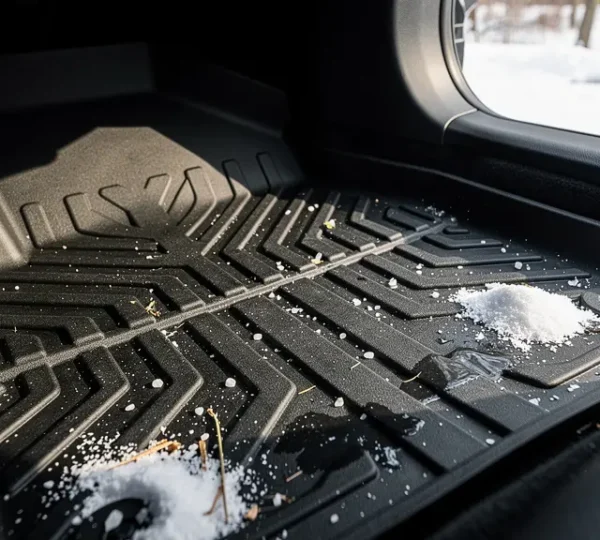
Why Custom-Fit Rubber Mats Are Your Car’s Best Winter Investment
Custom-fit rubber mats are not an accessory; they are a critical vehicle integrity system that actively prevents costly, long-term damage. They eliminate the safety risk of pedal interference caused by slipping universal mats. They contain corrosive moisture (rain, snow, road…
Lire la suite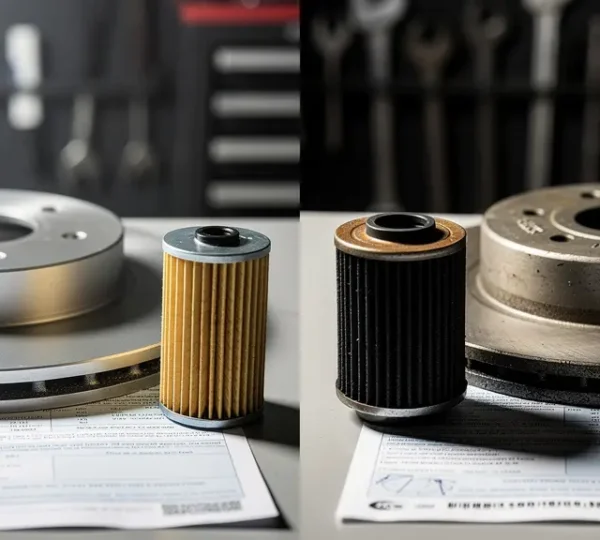
Why Installing Non-Homologated Parts Can Invalidate Your Car Insurance
The true cost of a cheap, non-compliant car part isn’t its price tag—it’s the risk of a voided insurance policy and a denied warranty claim when you need it most. Legitimate, certified aftermarket parts are legally protected and will not…
Lire la suite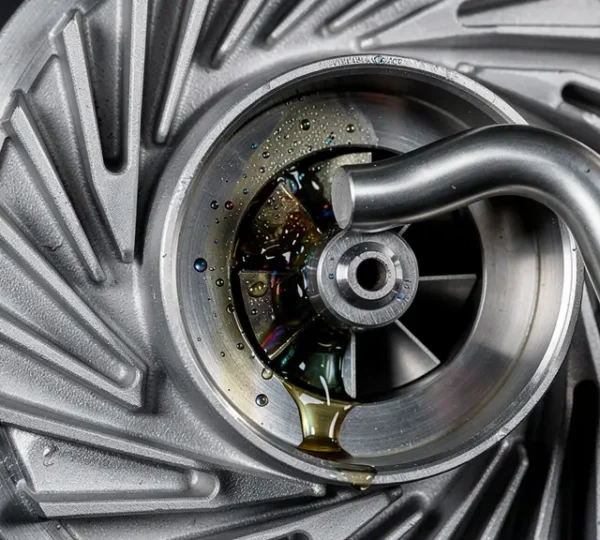
How to Make Your Turbo Engine Outlast the Car: An Expert’s Guide
Turbochargers have a reputation for being fragile and expensive to replace, but their failure is rarely a matter of luck. The key to making a turbo last is not just following a maintenance checklist, but truly understanding the physics behind…
Lire la suite
Why Synthetic Oil Isn’t a Choice, But a Necessity for Modern Engines
For a modern engine, using conventional oil instead of a specified synthetic is not a cost-saving measure; it’s a direct route to premature and catastrophic failure. The uniform molecular structure of synthetic oil provides critical thermal stability that prevents « coking »…
Lire la suite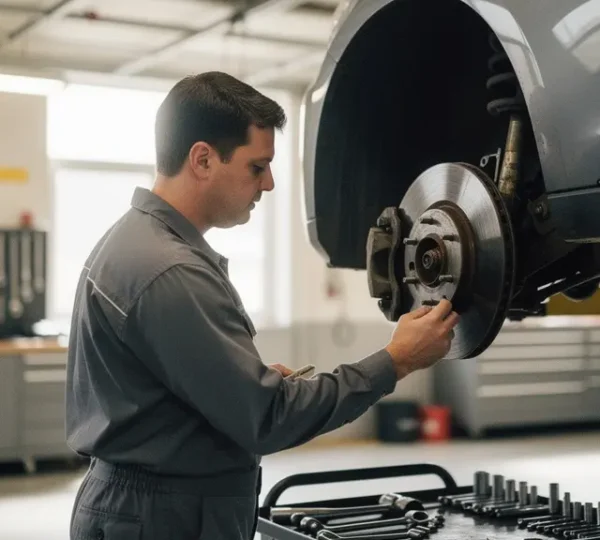
When should you replace your brake discs to guarantee a safe stop?
That grinding noise or steering wheel judder isn’t just an annoyance; it’s your vehicle communicating a precise mechanical issue, and cheap components offer a false, dangerous economy. A high-pitched squeal is often a built-in warning, while a grinding noise means…
Lire la suite