Cars & models
Choosing the right car has never been more complex. Modern vehicles are sophisticated machines packed with advanced technology, safety systems, and features that can significantly impact your daily driving experience, long-term costs, and family protection. Whether you’re considering your first purchase or upgrading to a newer model, understanding the fundamental aspects of cars and their various features is essential to making an informed decision that serves you well for years to come.
This comprehensive resource breaks down the core elements every car owner and prospective buyer should understand. From decoding the bewildering array of dashboard alerts and touchscreen systems to evaluating which safety features truly matter, we’ll explore the practical realities of modern vehicle ownership. We’ll also examine the often-overlooked factors that affect your car’s future value and the everyday considerations that impact your running costs and driving comfort.
Understanding Modern Vehicle Technology and Its Daily Impact
Today’s vehicles function as computers on wheels, and this digital transformation has fundamentally changed how we interact with our cars. While these innovations promise enhanced convenience and safety, they also introduce new complexities that can feel overwhelming, especially when you’re confronted with unfamiliar warning chimes or struggling to pair your smartphone for the third time this week.
The Double-Edged Sword of In-Car Technology
Modern automotive technology delivers genuine benefits: voice-activated controls allow you to change navigation settings without taking your hands off the wheel, while advanced driver assistance systems can alert you to dangers you might have missed. However, there’s a legitimate concern about technology overload. A typical mid-range vehicle now features dozens of alerts, sensors, and notifications that demand your attention. Understanding which warnings require immediate action versus those that can wait is crucial for stress-free driving.
Consider this practical reality: that persistent beeping might indicate anything from a critical engine issue to a rear passenger’s unbuckled seatbelt or a minor sensor malfunction. Learning to distinguish between these alerts transforms your relationship with your vehicle from anxiety-inducing to confidence-building.
Connectivity and Obsolescence: The New Ownership Challenge
Unlike traditional mechanical components, your car’s software and connectivity features exist in a state of constant evolution. Over-the-air updates can add new features or fix bugs without visiting a service center, but they also introduce a new concern: how long will your vehicle’s technology remain current? A five-year-old smartphone feels ancient; a five-year-old car is barely broken in. This mismatch creates real challenges for long-term ownership.
The key considerations include:
- Wireless connectivity standards that may become outdated
- App compatibility that depends on manufacturer support
- Cybersecurity vulnerabilities requiring ongoing updates
- Battery drain issues from always-connected systems
- Personal data privacy in an increasingly connected vehicle
Smart buyers now evaluate not just the technology a car has today, but the manufacturer’s track record for supporting older models with updates and the ease of disconnecting or replacing outdated systems.
Protecting Your Investment: Resale Value Considerations
A vehicle is typically the second-largest purchase most people make, yet many buyers focus exclusively on the purchase price while ignoring the equally important question: what will this car be worth when I’m ready to move on? The difference between a model that retains 60% of its value versus one that drops to 40% after three years can amount to thousands in real money.
The Factors That Truly Influence Resale Value
Brand reputation plays a significant role, with certain manufacturers consistently commanding higher resale prices due to perceived reliability and desirability. However, the specific model matters just as much. A brand’s flagship sedan might hold value beautifully while their experimental crossover plummets in worth.
Mileage remains the single most scrutinized number by prospective used car buyers. Each mile tells a story, and high-mileage vehicles face steep depreciation curves. For context, a vehicle averaging 15,000 miles annually is considered typical, while 10,000 miles positions it as « low mileage » in the used market—a designation that can translate directly into higher offers.
Strategic Decisions That Pay Off Later
Certain options and choices actively contribute to stronger resale values:
- Neutral colors (white, black, silver, gray) appeal to broader buyer pools than bold hues
- Popular option packages rather than individual add-ons create market demand
- Complete service history documentation demonstrates responsible ownership
- Interior preservation, particularly upholstery and dashboard condition
- Original wheels and tires (or premium replacements) versus aftermarket modifications
If you’re financing through a PCP (Personal Contract Purchase) arrangement, understanding your vehicle’s projected future value becomes even more critical, as this determines your final balloon payment or equity position when the contract ends.
Safety Ratings Decoded: Making Informed Decisions for Your Family
Few aspects of vehicle selection carry more emotional weight than safety, especially for parents transporting precious cargo. Safety ratings from organizations like NCAP provide structured, objective evaluations—but understanding what those star ratings actually measure and how they apply to your specific needs requires deeper knowledge than simply choosing the highest score.
What Safety Scores Really Tell You
Modern safety testing evaluates multiple criteria: adult occupant protection, child occupant protection, vulnerable road user protection (pedestrians and cyclists), and the presence of safety assist technologies. A vehicle might score five stars overall while showing relative weaknesses in one category, so examining the detailed breakdown matters more than the headline number.
The testing protocols themselves evolve regularly, becoming more stringent as technology advances and safety expectations rise. This creates an important consideration: a five-star rating from several years ago used less demanding tests than current evaluations. Recent assessments provide more reliable indicators of true safety performance relative to contemporary standards.
Size, Structure, and Safety Equipment Priorities
The conventional wisdom that larger vehicles are inherently safer contains truth but requires nuance. In collisions between vehicles of different sizes, occupants in the heavier, larger vehicle generally fare better due to basic physics—but modern small cars with advanced structures and comprehensive airbag systems can provide excellent protection. The quality of safety engineering matters as much as sheer mass.
For families with young children, specific features deserve close attention:
- ISOFIX/LATCH anchor points positioned for easy car seat installation
- Rear door child locks that are simple to engage and disengage
- Rear-seat reminder systems to prevent tragic hot car incidents
- Adequate rear crumple zones in smaller vehicles
- Side curtain airbags that protect all seating rows
Driver assistance technologies like automatic emergency braking, lane-keeping assistance, and blind-spot monitoring increasingly influence safety scores. These systems genuinely prevent accidents, but they also require drivers to understand their limitations and maintain active engagement rather than delegating responsibility to the technology.
Wheels, Tires, and Running Costs: The Practical Considerations
The components connecting your vehicle to the road influence far more than just appearance. Your choice of wheels and tires creates a complex balancing act between aesthetics, comfort, safety, and ongoing expenses that many buyers underestimate until they face their first replacement costs or encounter persistent maintenance challenges.
The Comfort Versus Style Equation
Larger diameter wheels with low-profile tires create an undeniably sporty, modern appearance that many find irresistible. However, this aesthetic choice comes with real-world consequences. Low-profile tires provide less cushioning between the wheel and road imperfections, transmitting more impact directly to the suspension and cabin. Every pothole becomes a jarring event, and the risk of wheel damage from road hazards increases substantially.
Think of tire sidewall height as shock-absorbing material: a tire with a taller sidewall (higher profile) can flex and absorb impacts that would crack or bend a wheel fitted with minimal rubber protection. In regions with poor road surfaces or harsh winters, this practical consideration often outweighs aesthetic preferences.
The Hidden Costs of Wheel Maintenance and Fuel Consumption
Premium wheel finishes like diamond-cut or polished aluminum deliver stunning visual impact when new but require significantly more care to maintain. Brake dust—the fine metallic particles generated by braking—bonds to these finishes and becomes increasingly difficult to remove over time. Damaged diamond-cut finishes typically require professional refurbishment rather than simple DIY repairs.
The fuel efficiency impact of wheel and tire choices surprises many owners:
- Heavier wheel designs increase unsprung weight, requiring more energy to accelerate and brake
- Wider tires create greater rolling resistance and aerodynamic drag
- Low rolling resistance tire compounds can improve fuel economy by 5-7%
- Proper tire inflation alone accounts for 3-4% fuel consumption variation
For drivers covering substantial annual mileage, selecting wheels and tires that optimize fuel efficiency rather than maximize visual impact can generate hundreds in annual fuel savings—money that accumulates significantly over a typical ownership period.
Understanding these interconnected aspects of vehicle ownership—from technology integration and safety features to value retention and running costs—empowers you to make decisions aligned with your actual needs rather than marketing messages. Every car represents a series of compromises, and the « best » vehicle is simply the one whose specific compromises align most closely with your priorities, budget, and intended use. Armed with this foundational knowledge, you’re prepared to dive deeper into any specific area that matters most for your situation.
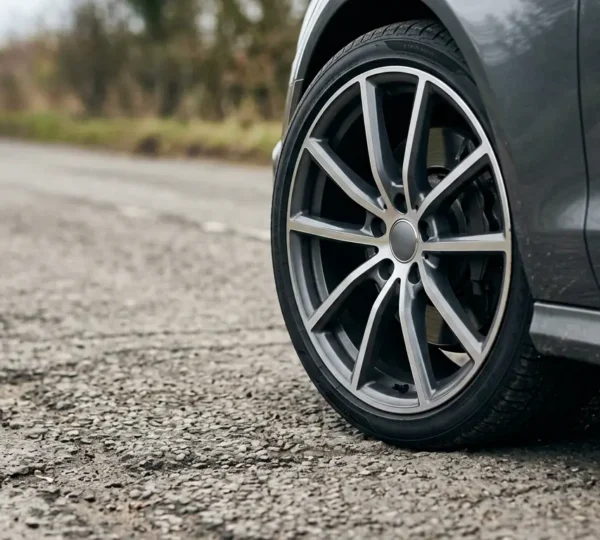
Why Going for Bigger Wheels Can Ruin Your Car’s Ride Comfort
Upgrading to larger wheels is primarily an aesthetic choice with significant, often negative, engineering consequences for ride comfort and running costs. Smaller tyre sidewalls act as less effective dampers, transmitting more high-frequency road shocks directly into the cabin. Increased unsprung…
Lire la suite
How to solve your touchscreen bugs without going to the dealer?
In summary: Rebooting is a temporary patch; the real fix is understanding your car’s digital ecosystem, including its software, power, and hardware logic. Diagnose issues systematically before trying a fix, whether it’s using a multimeter for parasitic drain or identifying…
Lire la suite
Why a 5-Star Car From 10 Years Ago Is No Longer Safe
Contrary to common belief, a 5-star safety rating is not a permanent seal of approval; it’s a snapshot in time that quickly becomes obsolete. Safety protocols evolve dramatically every 2-3 years, introducing tests for scenarios like cyclist detection and far-side…
Lire la suite
What colour and finish to choose to resell your car 15% more expensively in 3 years?
Maximising your car’s resale value is less about luck and more about strategic decisions on brand, spec, and meticulous documentation from day one. Perceived quality, often associated with German brands, and a complete service history are non-negotiable trust signals for…
Lire la suite
Are New Car ‘Safety’ Features Actually Making You a Safer Driver?
The promise of total safety from modern car tech is a myth; its real value comes from the driver’s ability to master it, not blindly trust it. Many expensive ‘safety’ features offer minimal benefit in typical city driving and come…
Lire la suite