
Maximising your car’s resale value is less about luck and more about strategic decisions on brand, spec, and meticulous documentation from day one.
- Perceived quality, often associated with German brands, and a complete service history are non-negotiable trust signals for buyers.
- Psychological barriers like the 60,000-mile mark and the absence of ‘expected’ options can disproportionately lower a car’s valuation.
Recommendation: Focus on pre-emptively managing wear on high-touch interior points and documenting every service to build a bulletproof case for a higher valuation.
The moment you drive a new car off the forecourt, it begins to lose value. This financial reality, known as depreciation, is the single largest cost of owning a vehicle. Most owners accept this as inevitable, focusing on common advice like regular cleaning and maintenance. While important, this approach only scratches the surface. The true art of preserving a car’s value lies not just in maintaining it, but in understanding and managing the psychology of the used car buyer and the cold, hard calculations of a dealership’s trade-in appraiser.
This guide moves beyond the basics. We won’t just tell you that a full service history is good; we’ll show you how to construct a « provenance story » that builds undeniable trust. We’ll delve into the specific details that create perceived value, from the brand’s reputation for engineering to the condition of the original floor mats. The key to commanding a 15% higher price isn’t just about the car’s objective condition; it’s about mastering the signals of meticulous ownership and avoiding the red flags that trigger instant deductions.
By adopting the mindset of a remarketing expert, you can transform your vehicle from a rapidly depreciating asset into a highly desirable commodity. We will dissect the crucial factors, from brand choice and mileage thresholds to option selection and end-of-lease strategies, giving you the insider knowledge to protect your investment from day one.
This article provides a detailed roadmap for making strategic choices that directly impact your car’s future worth. The following sections break down the key areas where value is won and lost, offering expert insights to guide your decisions.
Summary: A Strategic Guide to Maximising Your Car’s Future Value
- Why do German brands depreciate less quickly than they French ones?
- The interior negligence mistake that costs £500 at trade-in
- The 60,000-mile psychological threshold: sell before or after?
- Toit ouvrant ou cuir : quelle option récupérez-vous vraiment à la revente ?
- Comment éviter les frais de remise en état exorbitants à la fin de votre PCP ?
- Voiture sans carnet d’entretien : le pari risqué à éviter absolument
- Tapis d’origine vs caoutchouc : que préfèrent les acheteurs d’occasion ?
- Le film de protection PPF vaut-il son prix pour une voiture non-sportive ?
Why do German brands depreciate less quickly than French ones?
The battle for residual value often begins with the badge on the bonnet. It’s a well-observed market trend that premium German brands like Audi, BMW, and Mercedes-Benz generally hold their value better than their French counterparts. This isn’t just brand snobbery; it’s rooted in a concept remarketing experts call « perceived quality engineering ». This refers to the tangible and intangible signals of durability and craftsmanship that buyers associate with a car, influencing their willingness to pay a premium for a used model.
This perception is built on details: the satisfying « thunk » of a closing door, the precision of the switchgear, the quality of the interior materials, and the tight, consistent panel gaps. Even if a French car is mechanically reliable, the initial tactile experience can suggest a lower level of build quality. Industry analysis confirms that French brands like Peugeot and Citroën can experience a significant loss in value, particularly in the first few years, because the market prices in this perception of faster ageing.
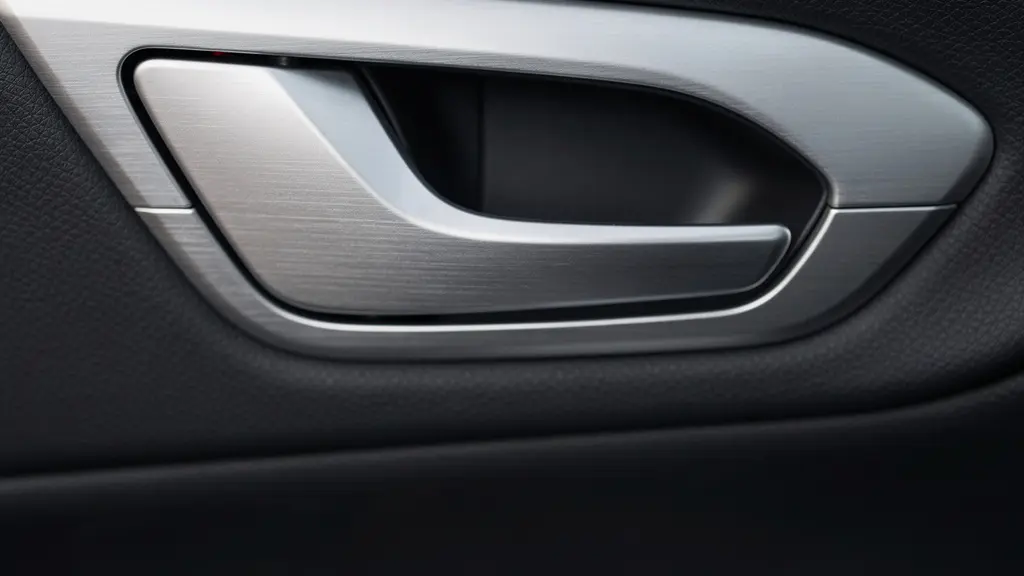
As the image above illustrates, the focus on material texture—brushed metals, soft-touch plastics, and flawless assembly—creates an immediate and powerful impression of longevity. A prospective buyer subconsciously translates this feeling of quality into a belief that the car has been built to last, making them more confident in purchasing it second-hand. Therefore, choosing a brand known for this high level of perceived quality is the first and one of the most crucial steps in a depreciation-mitigation strategy.
The interior negligence mistake that costs £500 at trade-in
While exterior condition is important, it’s the interior where a buyer truly connects with a car. It’s also where a dealership’s appraiser can find easy justification for significant deductions. A single, persistent issue can instantly knock hundreds of pounds off a valuation. The most common and costly mistake is allowing strong odours, particularly from smoking, to permeate the cabin. Unlike a simple air freshener fix, smoke particles embed themselves into the headliner, carpets, and ventilation system, becoming almost impossible to remove completely.
This isn’t just an unpleasant smell; it’s a permanent stain on the car’s history and a major psychological red flag for most buyers. As one expert bluntly puts it, the reaction is visceral. A Military.com automotive expert highlights this point perfectly in their auto guide:
Smoking is still fairly common in the military, but the average buyer will be pretty appalled if they open your car door and get smacked with a whiff of stale cigarette smoke.
– Military.com automotive expert, Military.com Auto Guide
Beyond odours, appraisers look for wear on high-touch points. A worn driver’s seat bolster, a shiny and smooth leather steering wheel from hand oils, or scratched graphics on a start button or gear selector all signal a car that’s had a hard life. These seemingly minor issues contribute to an overall impression of neglect, giving the dealer leverage to propose a lower price. Preventing this wear with seat covers, regular leather conditioning, and careful use is a simple but highly effective tactic in your deduction avoidance strategy.
The 60,000-mile psychological threshold: sell before or after?
In the world of used cars, not all miles are created equal. While overall condition is key, certain mileage figures act as powerful psychological thresholds that can disproportionately affect a vehicle’s value. The most well-known of these is the 100,000-mile mark, but the barrier at 50,000-60,000 miles is arguably more critical for owners of newer cars, especially those on PCP or lease agreements. Crossing this line in a buyer’s mind signals the transition from a « nearly new » car to a « properly used » one.
This perception is tied to several factors. Firstly, many manufacturer warranties expire around the 60,000-mile point. Secondly, this mileage often coincides with the need for a major, and expensive, service which may include items like a timing belt change. A buyer sees a car with 58,000 miles and thinks of the remaining trouble-free motoring; they see the same car with 62,000 miles and immediately factor in the cost and hassle of upcoming big-ticket maintenance items.
This isn’t just a feeling; it translates into real money. Selling a car just before it hits a major threshold can secure a significantly better price. The following table, based on market analysis, breaks down how these thresholds impact buyer psychology and, consequently, the car’s value.
| Mileage Threshold | Average Value Drop | Buyer Psychology |
|---|---|---|
| Under 36,000 miles | Minimal impact | Still under warranty |
| 50,000-60,000 miles | 5-10% drop | Major service due |
| 100,000+ miles | 15-25% drop | Six-figure psychological barrier |
This data, highlighted in extensive analysis of vehicle depreciation curves, demonstrates a clear financial incentive. Timing your sale to stay on the right side of these psychological barriers is a cornerstone of smart automotive asset management.
Sunroof or leather: which option do you really get your money back on at resale?
When ordering a new car, the options list can be a dizzying minefield. It’s tempting to add features for personal enjoyment, but from a resale perspective, not all options are created equal. The expert view on this is nuanced and often counter-intuitive. It’s less about which options add value and more about which ones are considered « expected » for a particular class of vehicle. The absence of an expected feature can actively decrease a car’s value and make it harder to sell.
For example, in the premium segment, features like air conditioning, automatic transmission, and leather seats are often considered standard by used car buyers. A vehicle without them will be immediately less desirable than its peers. The financial impact is a penalty for not having the option, rather than a bonus for having it. As automotive experts at AAA explain, the dynamic is about meeting market expectations.
Used-car shoppers expect comparable models to have equivalent options – such as leather or heated seats. Instead of increasing the value of a vehicle with these features, it decreases the value of cars in that category that don’t have that equipment.
– AAA Exchange automotive experts, AAA Car Resale Value Guide
So, does this mean you should load a car with every option? Not necessarily. The goal is to strike a balance. Features with high visual or comfort appeal, such as a panoramic sunroof or a premium sound system, can make your car stand out and justify a slightly higher price. However, expensive electronic driver aids or obscure performance packages often have a much lower rate of return. The key is to research what is standard or popular on the specific model you’re buying and ensure your car at least meets that baseline specification to avoid being penalised at resale.
How to avoid exorbitant reconditioning fees at the end of your PCP?
For the growing number of drivers using Personal Contract Purchase (PCP) deals, the end of the term brings a moment of financial reckoning. If you plan to hand the car back, it will be meticulously inspected for any damage beyond « fair wear and tear, » and the resulting reconditioning bill can be shockingly high. Dealerships often charge premium rates for repairs, turning minor issues like a scuffed alloy wheel or a set of mismatched tyres into a bill for hundreds of pounds. The secret to avoiding this is a proactive deduction avoidance strategy.
Instead of waiting for the dealer’s assessment, you must take control of the process. About a month before the return date, treat the car as if you were preparing it for a private sale. Get it professionally detailed and, most importantly, address any obvious cosmetic issues yourself. A small, independent smart repair specialist can often fix a kerbed alloy for a fraction of what a main dealer will charge. Similarly, replacing a budget tyre to match the other three premium-brand tyres on the car is a small outlay that prevents a large, non-negotiable deduction.
This pre-emptive approach puts you in a position of strength. By presenting a car that is clean, well-maintained, and free of obvious faults, you leave the inspector with very little to find. Every pound you spend on pre-return preparation can save you two or three pounds in official reconditioning fees. It’s about neutralising the problem before it becomes a cost.
Your Pre-Inspection Action Plan: Taking Control of PCP Return Costs
- Independent Appraisal: Schedule an appraisal with a trusted independent mechanic or bodyshop one month before your PCP return date to get a realistic list of potential issues.
- Tyre Check: Ensure all four tyres are a matching premium brand, have adequate tread, and are free from sidewall damage. Replace any outliers.
- Alloy Wheel Repair: Professionally repair any « curb rash » or scuffs on alloy wheels. This is a common and costly charge item.
- Documentation Gathering: Collect all service books, manuals, and both sets of spare keys. Missing items carry a fixed, and high, penalty fee.
- Evidence Log: Document all your pre-return repairs with clear photos and receipts. This provides a powerful counter-argument if the finance company attempts to charge you for issues you have already rectified.
Car without a service book: the risky gamble to absolutely avoid
In the used car market, trust is the most valuable commodity. Nothing shatters a buyer’s confidence faster than a missing or incomplete service history. The physical or digital service book is the single most important piece of evidence that a car has been cared for, not just driven. A car without it is an unknown quantity, and buyers will assume the worst: that it has been neglected, serviced on the cheap, or is hiding a serious problem. This doubt translates directly into a lower offer—often a reduction of 10-20% of the car’s value.
As a remarketing expert, this is a non-negotiable point. Selling a car without its history is like trying to sell a luxury watch without its box and papers; you immediately invite suspicion and devalue the asset. The solution is to begin crafting your car’s « provenance story » from the day you take ownership. This goes beyond simply getting the book stamped at a main dealer. It involves creating a comprehensive, organised, and undeniable record of meticulous ownership.

The modern approach combines digital convenience with physical presentation. From day one, create a dedicated folder on a cloud service like Google Drive or Dropbox. After every single interaction—be it a major service, a tyre change, a brake fluid flush, or even a professional detailing session—scan the receipt and save it to the folder. For the ultimate buyer presentation, also maintain a physical binder with these receipts organised chronologically. When a buyer can see and touch this level of detailed history, it removes all doubt and builds a powerful emotional connection. They aren’t just buying a machine; they are buying a vehicle that has been cherished.
Key Takeaways
- A car’s resale value is heavily influenced by « perceived quality, » where factors like brand reputation and material feel create tangible financial worth.
- A complete and meticulously organised service history is the most powerful tool for building buyer trust and commanding a premium price.
- Psychological factors, such as mileage thresholds (e.g., 60,000 miles) and the presence of « expected » options, can cause disproportionate drops in value if ignored.
Original carpet mats vs. rubber: what do used buyers prefer?
It may seem like a trivial detail, but the condition of a car’s floor mats sends a powerful signal to a prospective buyer. It’s one of the first things they see when opening the door, and it sets the tone for their perception of the car’s overall care. As a valuation expert would confirm, the presence of pristine, original manufacturer-branded carpet mats suggests a level of meticulous ownership that extends to the rest of the vehicle. It implies the owner cared enough to protect the interior from the very beginning.
Conversely, worn, stained, or missing original mats suggest the opposite. Cheap, ill-fitting aftermarket rubber mats can also detract from the premium feel of a cabin, even if their intention was to protect it. So what is the expert’s strategy? It’s a simple, two-layer approach that offers the best of both worlds.
From the day you buy the car, remove the original carpet mats and store them away safely. In their place, install a set of high-quality, perfectly-fitting all-weather rubber mats (like those from WeatherTech or a manufacturer’s own accessory line). These will take all the daily abuse—mud, snow, spills—and protect the underlying carpet perfectly. When the time comes to sell the car or return it at the end of a lease, you simply remove the rubber mats, give the interior a quick vacuum, and reinstall the brand-new, unused original carpet mats. The effect is transformative. The buyer is greeted by a « like new » interior floor, reinforcing the narrative of a cherished vehicle and justifying your asking price.
Is Paint Protection Film (PPF) worth its price for a non-sports car?
Paint Protection Film (PPF) is a transparent urethane film applied to a car’s painted surfaces to protect them from stone chips, light scratches, and environmental contaminants. Traditionally associated with high-end sports cars and supercars, a growing number of savvy owners are now applying PPF to daily drivers as a calculated investment in preserving resale value. The upfront cost can seem significant, but when weighed against the cost of rectifying paint damage later, the financial argument becomes compelling.
A single stone chip on a bonnet can lead to a rust spot, and a full front-end respray to fix multiple chips can cost thousands and raise questions from future buyers about potential accident damage. PPF acts as a sacrificial, self-healing layer that absorbs these impacts, keeping the original factory paint underneath in pristine condition. As specialists from ClearPro note, this turns a used car into a « time capsule, » a feature that commands a premium. They estimate that this protection can translate to a 5% to 10% premium over similar unprotected cars. The following table provides a clear cost-benefit analysis.
| Protection Level | Coverage Areas | Approximate Cost | Potential Savings |
|---|---|---|---|
| Partial PPF | Front bumper, hood edge, mirrors | $500-800 | $1500+ (front respray cost) |
| Full Front | Full hood, full bumper, fenders | $1500-2000 | $3000+ (full front respray) |
| Full Body | Complete coverage | $4000-6000 | $8000+ (full respray) |
For most daily drivers, a « Full Front » application offers the best return on investment, protecting the areas most vulnerable to damage. By eliminating the risk of costly paint repairs and presenting a flawless finish to the next owner, PPF is a powerful tool for locking in your car’s maximum residual value.
Start implementing these expert-level strategies today. By managing buyer psychology, documenting meticulous care, and making smart, proactive choices, you can take definitive control of your car’s depreciation and secure its maximum future value when the time comes to sell.