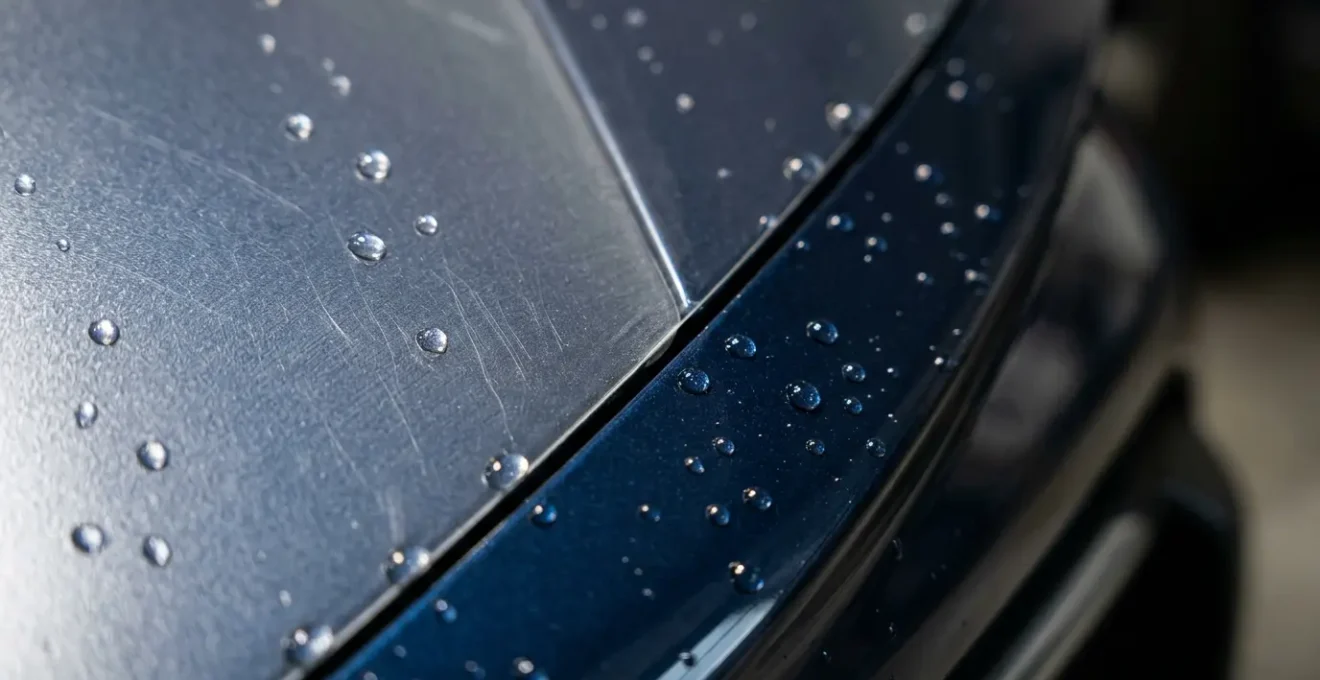
The true value of PPF on a daily car isn’t about adding to its sale price, but in preventing you from losing thousands in depreciation from inevitable paint damage.
- A physical film is the only effective shield against stone chips and deep scratches, unlike thinner chemical coatings.
- Modern PPF genuinely self-heals minor scuffs and swirls with exposure to simple heat, maintaining a flawless finish.
- The financial return comes from avoiding costly bumper and hood repaints, ensuring you get top market value at resale.
Recommendation: For the best cost-to-benefit ratio on a daily driver, focus on protecting the high-impact front areas with a partial « bikini » or « full front » kit.
There’s nothing quite like the feeling of driving a brand-new car off the lot. The paint is flawless, the shine is perfect, and you swear to yourself you’ll keep it that way. Then, a few weeks later on the motorway, you hear it: the sharp ‘tick’ of a stone hitting the front bumper. The spell is broken. You now have your first rock chip, and you know it won’t be the last. This is the reality of owning a car you use every day.
Many owners turn to traditional solutions like waxes or more modern ceramic coatings. While these are excellent for adding gloss, repelling water, and making the car easier to clean, they offer very little protection against physical impacts. They are a shield against environmental contaminants, not flying stones. This is where the conversation turns to Paint Protection Film, or PPF, a thick, transparent layer designed to absorb physical damage. But with a professional installation costing upwards of £2000, the question for the owner of a new family SUV or a daily commuter saloon is always the same: is it really worth it?
The common wisdom often misses the point. The debate isn’t just about preventing scratches. It’s about a completely different financial calculation. What if the real benefit of PPF isn’t adding a premium when you sell the car, but rather preventing the significant ‘value deduction’ that comes from a front end peppered with stone chips? The key is to see PPF not as an expense, but as an insurance policy against visible depreciation.
In this guide, we’ll go beyond the surface-level benefits. As a professional installer, I’ll walk you through the real-world differences between protection types, the smartest way to invest in partial coverage, how the film’s ‘magic’ self-healing actually works, and the crucial factors for safe removal. Most importantly, we’ll do the honest maths on whether that initial investment truly pays for itself on a regular, non-sports car.
To help you navigate these crucial decision points, this article is structured to answer the most pressing questions owners have about PPF. The following summary outlines the key topics we will cover to give you a complete picture.
Summary: A complete guide to PPF for your daily vehicle
- Physical film or chemical layer: which protection against deep scratches?
- ‘Bikini’ partial kit: is protecting just the bumper and hood enough?
- How does hot water erase micro-scratches from your film?
- Can you remove a 5-year-old PPF without pulling up the paint?
- Do you get the £2000 cost of the PPF back when you sell the vehicle?
- Why do German brands depreciate less than French ones?
- How much do you save on tar-removing products thanks to mud flaps?
- Are mud flaps a tacky accessory or an essential one?
Physical film or chemical layer: which protection against deep scratches?
The fundamental difference between Paint Protection Film (PPF) and a ceramic coating comes down to physics. A ceramic coating is an incredibly thin, hard chemical layer that bonds with your car’s clear coat. It’s measured in microns. In contrast, PPF is a thick, pliable physical barrier. A quality film is typically 8 mil (about 200 microns) thick, making it exponentially more substantial than any coating. This difference in thickness and material composition dictates their purpose.
A ceramic coating excels at creating a slick, hydrophobic surface that resists chemical stains, bird droppings, and UV damage. It makes washing easier and provides a deep gloss. However, due to its thinness, it offers virtually no resistance to the kinetic energy of a flying stone or the sharp edge of a key. It might prevent the lightest of swirl marks from washing, but it will not stop a rock chip.
PPF, on the other hand, is specifically designed to absorb and dissipate that impact energy. Its soft, elastomeric nature allows it to deform when struck by a stone and then return to its original shape, leaving the paint underneath untouched. It is a sacrificial layer. For protection against the physical damage that plagues daily drivers—rock chips, deep scratches, parking lot scrapes, and bug splatter etching—film is not just the better option; it is the only effective one.
As the specialists at American Wrap Company state, this distinction is absolute when it comes to preserving the integrity of your paint from physical harm:
PPF is the ONLY way to prevent physical damage, rock chips and scratches from happening to your car.
– American Wrap Company, Ceramic Coating VS. PPF: Which One is Better?
For deep scratches, there is no contest. A chemical layer provides shine and chemical resistance; a physical film provides true impact protection.
‘Bikini’ partial kit: is protecting just the bumper and hood enough?
For the owner of a daily driver, the decision to install PPF often comes down to cost versus benefit. While wrapping an entire vehicle offers complete peace of mind, it’s a significant investment. This is where partial kits, particularly the « bikini » or « partial front » package, offer a highly strategic and cost-effective solution. The key is to understand where your car is most vulnerable.
Think about your car moving down the road. The front-facing panels are a direct target for stones and debris kicked up by vehicles ahead. These high-impact zones include the front bumper, headlights, the leading edge of the hood, and the side mirrors. These areas receive over 90% of all forward-facing impacts. By concentrating protection here, you prevent the vast majority of damage for a fraction of the cost of a full wrap.
The diagram below illustrates these primary vulnerability points. The entire front fascia, from the lower bumper to the first portion of the hood and fenders, acts as the car’s main shield against road debris.
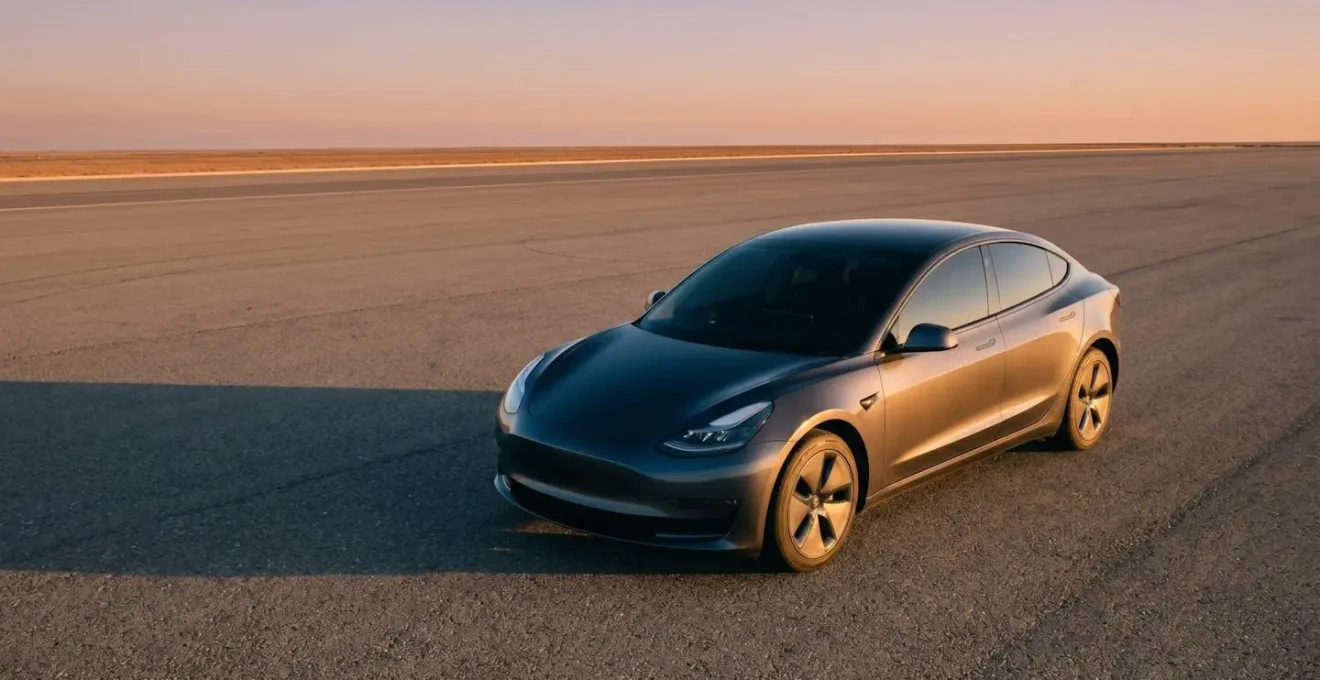
As you can see, a partial kit is not a random choice; it’s a calculated defence focused on the areas that will inevitably show wear and tear first. Protecting just the bumper and the first 18-24 inches of the hood and fenders addresses the most critical points of failure in your car’s paintwork.
This approach provides the highest return on investment for most drivers. The following table, based on industry pricing, shows how a partial front kit stacks up against more comprehensive packages, making it the clear choice for cost-conscious owners focused on preventing the most common types of damage.
| Package Type | Coverage Areas | Price Range (USD) | Best For |
|---|---|---|---|
| Partial Front (Bikini) | Front bumper, headlights, first 18-24 inches of hood and fenders | $900 – $2,500 | Daily drivers seeking cost-effective protection against most rock chips |
| Full Front | Complete bumper, full hood, full fenders, side mirrors | $2,000 – $3,500 | Seamless protection with no visible edge lines across hood |
| Track Package | Full front + rocker panels, A-pillars, rear impact zones | $3,500 – $5,000 | Performance enthusiasts and frequent track drivers |
How does hot water erase micro-scratches from your film?
One of the most impressive features of modern PPF is its « self-healing » ability, which can make light scratches and swirl marks disappear. This isn’t magic; it’s a remarkable property of materials science rooted in the film’s top layer. This clear top coat is made of a specific class of materials known as elastomeric polymers.
Think of these polymers as a dense net of elastic, interconnected chains. In their normal, cool state, this net is firm and holds its shape, providing a hard, protective surface. When a light scratch occurs—for instance, from a car wash brush or a stray jacket zipper—it creates a shallow valley in this polymer net. The self-healing process is triggered by heat, which activates a principle called « Glass Transition Temperature ».
The Science of Self-Healing: Glass Transition Temperature
The Glass Transition Temperature is the specific temperature at which the elastomeric polymers in the film’s top coat transition from a hard, glassy state to a more pliable, rubbery one. When exposed to heat from the sun, warm water, or even residual engine heat, the polymer chains gain mobility. This allows them to relax and reorganize themselves, flowing back into their original, uniform alignment. As they settle, the valley created by the scratch is filled in, and the surface becomes smooth and clear again, effectively erasing the imperfection.
This process can be activated naturally by parking the car in the sun on a warm day, or you can trigger it manually. However, it’s crucial to use the right method to avoid damaging the film or the paint underneath.
Your action plan: activating self-healing safely
- Place the car in warm sunlight for natural, gentle heat activation. You’ll see smoothness restored in minutes for shallow abrasions.
- Gently rinse the affected area with warm (not boiling) tap water. This provides enough energy for the polymer chains to realign.
- Park in a warm spot after a drive and allow residual engine heat to activate the self-healing process on the hood.
- Avoid using heat guns on high settings, as this can melt the film or damage the adhesive layer beneath it.
- Never use boiling water. The excessive temperature can shock the film, harm the underlying paint, or weaken the film’s structure.
Can you remove a 5-year-old PPF without pulling up the paint?
This is a critical question and a common fear for car owners considering a long-term protective solution. The straightforward answer is: yes, a high-quality PPF can be removed safely after 5, 7, or even 10 years without damaging the paint, but this is highly conditional on two critical factors: the quality of the film and, more importantly, the integrity of the underlying paint. The film itself is rarely the problem; the condition of the surface it’s applied to is everything.
If the vehicle has its original, factory-applied paint (often referred to as OEM paint), the risk of damage during removal is extremely low. OEM paint is applied and cured in a highly controlled environment, creating an exceptionally strong bond between the clear coat, base coat, and primer. A professional installer using proper techniques (controlled heat and a slow, shallow peeling angle) can remove the film, and the factory paint will remain perfectly intact.
The real danger lies with non-OEM paint. If a panel has been repainted after an accident, the quality of that paint job is a major unknown. Bodyshop paint may not have the same level of adhesion as factory paint. As experienced installers know, this is the number one cause of paint lifting during PPF removal.
If the paint is not OEM, we can’t guarantee that it’s not going to lift or have an adverse reaction to the film, which we have seen happen. If the paint is very thin or has been hammered on, and you try to pull the PPF off, the clear coat or even the base coat can come off.
– Keystone Detail, Does PPF Damage Paint When Removed?
The removal process itself is a delicate, professional job. It involves using a steamer or heat gun to gently warm the panel to soften the adhesive. The film is then peeled back on itself at a very shallow angle (under 45 degrees), never pulled straight up. This slow, steady pressure allows the adhesive to release without taking the clear coat with it. In summary, on a car with original paint, you can be confident in safe removal. On a repainted car, it’s a calculated risk.
Do you get the £2000 cost of the PPF back when you sell the vehicle?
This is the ultimate question for any pragmatic owner of a daily driver. The answer is yes, you absolutely do, but not in the way most people think. You will not see a line item on the bill of sale that says « +£2000 for PPF ». The return on your investment is realised through loss prevention, not by adding a direct premium to the car’s price.
Imagine two identical 3-year-old cars for sale. One has been driven without protection and its front bumper and hood are peppered with stone chips, sandblasting, and a few noticeable scratches. The other had a partial front PPF kit installed when new and, after the film is removed for the sale, its paint is pristine and looks brand new. A potential buyer will look at the damaged car and immediately negotiate the price down. A front bumper respray and hood touch-up can easily cost £1000-£1500 or more, and the buyer will use that as powerful leverage. They might even walk away, concerned about the car’s overall care.
The car with the pristine paint, however, commands its full market value. The buyer sees a vehicle that has been meticulously cared for. There is nothing to negotiate down from. You don’t get *more* than the market price, but you get *all* of it, without having to concede thousands due to visible cosmetic damage. That is where your PPF investment pays for itself. It erases the financial penalty of daily use.
Case Study: The Real ROI of PPF on a Daily Driver
According to a common industry analysis, a driver who invests in a partial front PPF kit for around £1200 avoids the typical damage accumulated over 3-4 years. Without that protection, the cost to repair a sandblasted bumper and repaint a chipped hood would be between £900 and £1800. The PPF’s true return on investment comes from preventing this inevitable repair cost. Buyers won’t pay extra for the film, but they will absolutely demand a heavy discount for visible paint damage, or simply choose another, better-kept car.
Your £2000 investment isn’t gone; it’s transformed into a negotiating shield. It ensures that when it’s time to sell, your car stands out for its immaculate condition, allowing you to secure the highest possible price without a painful deduction for wear and tear.
Why do German brands depreciate less than French ones?
The conversation about vehicle depreciation is fundamentally a conversation about perceived value, long-term reliability, and brand prestige. While there are always exceptions, German automotive brands like BMW, Mercedes-Benz, Audi, and Volkswagen have historically demonstrated slower depreciation rates compared to many of their French counterparts like Renault, Peugeot, and Citroën. This phenomenon is rooted in several key factors.
Firstly, there is the powerful influence of brand perception. German manufacturers have cultivated a global reputation for precision engineering, high-quality interior materials, and robust performance. This image creates strong demand in the used car market, as buyers feel they are purchasing a premium, durable product even when it’s second-hand. This sustained demand helps to prop up resale values.
Secondly, the initial market positioning plays a significant role. German cars often have a higher initial purchase price and are targeted at a segment of the market that values technology, performance, and build quality. This premium positioning carries over into the used market. In contrast, many French brands have focused on design flair, comfort, and value-for-money in the mass market, which can sometimes lead to a faster decline in perceived value over time.
Finally, this principle of preserving value is directly connected to the mindset of the owner. An individual who purchases a premium German vehicle is often more motivated to maintain its « as-new » condition, as this is a core part of the car’s value proposition. This is precisely why an investment in value preservation, such as the application of Paint Protection Film, is so common on these brands. It’s a logical step to protect a more significant initial investment and slow the inevitable financial slide of depreciation.
How much do you save on tar-removing products thanks to mud flaps?
While PPF is the ultimate in paint protection, it’s not the only tool in the preservation toolbox. A more traditional accessory, the humble mud flap, plays a surprisingly effective role in a specific type of protection, which in turn leads to savings on cleaning products. The primary function of a mud flap is to stop debris kicked up by your car’s own tyres from spraying along the lower bodywork.
This spray consists of water, grit, sand, and, most damagingly, tar. Tar spots are notoriously difficult to remove. They require specialised, often harsh, chemical tar-removing solvents. While effective, these strong chemicals can, over time, degrade your car’s wax or even a ceramic coating, forcing you to reapply protection more frequently. Furthermore, the process of rubbing at stubborn tar spots increases the risk of inflicting swirl marks and micro-scratches on the paint.
By installing mud flaps, you physically block the majority of this tar-laden spray from ever reaching your lower doors and rocker panels. The financial saving isn’t just in buying fewer bottles of tar remover; it’s a compound benefit. You save money on the product itself, you extend the life of your primary protective layers (wax or coating), and you reduce the labour and risk associated with aggressive cleaning. For a driver who frequently travels on newly paved roads or during hot summer months when tar is soft, the savings can be significant over the life of the vehicle, both in money and in time.
They are a low-cost, preventative measure. While they can’t stop a stone chip on the hood, they are remarkably efficient at keeping your lower body panels clean, thereby reducing your reliance on and expenditure for aggressive chemical cleaners.
Key Takeaways
- PPF’s main value is preventing costly paint repairs, not adding a premium to your car’s sale price.
- For daily drivers, a « partial front » kit covering the bumper and hood offers the best balance of cost and protection.
- The self-healing property is a real, science-based feature of the film’s elastomeric polymer top coat, activated by heat.
Are mud flaps a tacky accessory or an essential one?
Ultimately, the debate over an accessory like mud flaps brings us back to the central theme of this guide: choosing the right protection for your specific needs, budget, and vehicle. There is no single « best » answer, only the most appropriate one for your circumstances. Mud flaps have a reputation for being a dated, purely functional accessory, often seen as « tacky » on modern, sleek car designs. Yet, for some drivers, they are an absolutely essential piece of equipment.
If you live down a gravel road or in an area with harsh winters and salted streets, mud flaps are an indispensable, low-cost shield. They are unmatched in their ability to protect the rocker panels and lower doors from the constant sandblasting of grit and corrosive salt spray kicked up by your own tyres. In this context, their function far outweighs any aesthetic compromise. They are an essential accessory for preserving the structural integrity of your lower bodywork.
However, for a city-based driver on well-maintained roads, their utility diminishes. The aesthetic drawback may outweigh the protective benefit, and a near-invisible solution like PPF applied to the rocker panels becomes a much more appealing, albeit more expensive, choice. This illustrates the hierarchy of protection:
- Mud Flaps: Low-cost, high-function protection for a very specific area (lower body from tyre spray).
- Ceramic Coatings: Moderate cost for gloss, chemical resistance, and ease of cleaning across the whole car.
- Paint Protection Film: High-cost, ultimate physical impact protection for vulnerable areas.
The choice between « tacky » and « essential » is personal. It depends on whether you prioritize maximum function for a specific threat or a seamless aesthetic for overall appearance. A truly well-protected vehicle might even use a combination—PPF on the front end and discreet mud flaps for the winter months.
Now that you understand the true costs, benefits, and scientific principles behind modern paint protection, the next logical step is to assess your own vehicle and driving habits. A professional evaluation can provide concrete numbers and options tailored specifically to your car, allowing you to make a fully informed decision on how best to preserve its value and appearance for years to come.