Blog
Owning and operating a vehicle involves far more than simply making monthly payments and filling the fuel tank. The modern car owner faces a complex landscape of financial considerations, safety responsibilities, and practical decisions that directly impact both their wallet and their well-being on the road. Understanding these interconnected elements transforms vehicle ownership from a source of stress into an empowering experience built on knowledge and confidence.
This comprehensive resource explores the essential pillars of informed vehicle ownership: calculating the true financial commitment beyond the sticker price, developing defensive driving skills that prevent accidents before they happen, understanding the physics that govern safe stopping, navigating the intricate world of insurance coverage, and optimizing comfort for healthier long-distance travel. Whether you’re purchasing your first vehicle or seeking to optimize your current ownership experience, these foundational concepts will equip you with the practical knowledge needed to make decisions that align with your needs and circumstances.
Understanding the True Cost of Vehicle Ownership
The purchase price represents only the beginning of your financial relationship with a vehicle. Total Cost of Ownership (TCO) encompasses every expense from the moment you acquire the vehicle until you eventually sell or retire it. This holistic perspective reveals the actual financial commitment and enables accurate budget planning.
Beyond the obvious monthly payment, vehicle ownership includes insurance premiums, fuel costs, routine maintenance, unexpected repairs, registration fees, and the often-overlooked factor of depreciation. A vehicle losing 15-20% of its value annually during the first few years represents a genuine monthly cost, even though no money physically changes hands. Thinking of depreciation as a monthly expense—similar to a subscription service—helps create a more realistic financial picture.
The comparison between electric and conventional vehicles illustrates this principle perfectly. While electric vehicles typically command higher purchase prices, their lower fuel costs, reduced maintenance requirements, and different depreciation curves can result in a lower TCO over a five or seven-year ownership period. Hidden costs also emerge in surprising places: premium fuel requirements, specialized tire replacements, or higher insurance rates for certain models can add hundreds annually to your budget.
Creating a preventative maintenance budget based on your vehicle’s service schedule prevents financial surprises. If your manufacturer recommends major service every 30,000 miles costing approximately $800, setting aside roughly $27 monthly creates a dedicated fund that transforms an unexpected expense into a planned withdrawal. This approach applies equally to predictable wear items like tires and brakes.
Mastering Defensive Driving Fundamentals
Defensive driving transcends basic vehicle operation to encompass a proactive mindset that anticipates hazards and prevents collisions through strategic awareness. This approach recognizes that controlling your own actions represents only half the equation—predicting and accommodating the actions of others completes the safety picture.
The foundation begins with the two-second rule, a simple yet powerful technique for maintaining safe following distance. Select a fixed reference point that the vehicle ahead passes, then count « one-thousand-one, one-thousand-two. » If you reach that same point before finishing the count, you’re following too closely. This time-based measurement automatically adjusts for speed—the faster you travel, the greater the physical distance becomes while maintaining the same time buffer. In adverse weather or reduced visibility, extending this to three or four seconds provides additional safety margin.
Effective observation extends far beyond the vehicle directly ahead. Skilled drivers develop the habit of scanning 12-15 seconds ahead, identifying brake lights, lane changes, or obstacles several vehicles in advance. This expanded awareness creates additional reaction time and often reveals developing situations before they become emergencies. Watching traffic flow patterns rather than individual vehicles helps predict slowdowns before brake lights appear.
Managing interactions with aggressive or distracted drivers requires emotional discipline. When confronted with tailgating, unsafe lane changes, or hostile behavior, the defensive response involves creating space rather than engaging. Moving to another lane when safe, maintaining steady speed, and refusing to respond to provocative actions removes you from potential conflict. Remember that « winning » a road confrontation often means avoiding the confrontation entirely.
Large commercial vehicles present unique challenges due to extensive blind spots on all four sides. If you cannot see the truck driver’s mirrors, the driver cannot see you. Understanding this reality means avoiding prolonged positioning alongside trucks, passing decisively when conditions permit, and providing generous space during lane changes. The physics of a loaded truck’s acceleration and stopping distances require patient accommodation rather than aggressive maneuvering.
Calculating and Adapting Stopping Distances
The distance required to bring a vehicle to a complete stop from any given speed involves two distinct components: reaction distance and braking distance. Reaction distance covers the ground traveled during the time between recognizing a hazard and physically applying the brakes—typically 1.5 seconds for an alert driver under ideal conditions. At 60 mph, this alone accounts for approximately 132 feet before braking even begins.
Braking distance depends on multiple variables, but speed exerts an exponential rather than linear influence. Doubling your speed from 30 to 60 mph doesn’t merely double the braking distance—it increases it by a factor of four. This mathematical reality explains why seemingly modest speed increases dramatically extend stopping requirements. A vehicle requiring 90 feet to stop from 40 mph might need 360 feet from 80 mph, illustrating the geometric relationship between velocity and stopping distance.
Tire condition directly affects the friction available for braking. Tires worn to the minimum legal tread depth can increase stopping distances by 30-40% compared to new tires, particularly on wet surfaces. The difference between adequate and worn tires at highway speeds can represent several car lengths—often the margin between a close call and a collision. Regular tread depth monitoring and timely replacement constitute essential safety investments rather than optional maintenance.
Environmental conditions dramatically alter stopping capabilities. Winter conditions—ice, snow, or even cold pavement temperatures—can reduce available traction by 50-90%, requiring vastly increased following distances. What works as a safe gap on dry summer pavement becomes dangerously inadequate when temperatures drop and precipitation appears. Successful winter drivers multiply their normal following distances by three or four, creating buffers that accommodate reduced traction.
Vehicle loading also influences braking performance. A vehicle loaded to capacity with passengers and cargo carries significantly more momentum than the same vehicle empty, requiring additional distance to stop from any given speed. Commercial operators account for this through load-specific speed limits, and private vehicle owners should adopt similar awareness when carrying heavy loads or towing trailers.
Optimizing Your Insurance Coverage
Insurance represents a complex contract requiring accurate disclosure and thoughtful coverage selection. The foundation begins with choosing a coverage level that matches your actual risk exposure and financial situation. Minimum legal coverage protects others from damage you cause but may leave you vulnerable to significant out-of-pocket expenses. Evaluating your assets, savings, and potential liability helps determine whether basic, mid-level, or comprehensive protection serves your circumstances.
Professional use of a personal vehicle demands explicit disclosure. Commuting to a single workplace typically falls within standard personal coverage, but using your vehicle for deliveries, client visits, or as an essential business tool may require commercial or hybrid policies. Failing to declare professional use—even inadvertently—can void coverage entirely when you most need it, transforming a covered claim into a personal financial disaster.
The no-claims discount (or bonus-malus system) rewards claim-free driving with progressively lower premiums. Protecting this accumulated discount sometimes means absorbing minor repair costs privately rather than filing small claims. When repair costs barely exceed your deductible, paying out-of-pocket preserves your discount and prevents premium increases that could cost more than the claim value over subsequent years. This calculation requires comparing the immediate repair cost against projected premium increases.
Understanding « fronting »—listing someone other than the primary driver as the policy’s main operator to secure lower rates—is crucial because this practice constitutes fraud. Parents insuring a vehicle primarily driven by a young adult must list that person as the principal driver, even though premiums will be higher. Similarly, allowing a household member with a poor driving record to regularly operate a vehicle without being listed risks voiding the entire policy. Accurate disclosure, though sometimes expensive, remains non-negotiable.
Vehicle modifications require immediate insurer notification. Performance enhancements, suspension changes, or even cosmetic alterations can affect premium calculations and coverage validity. Some modifications increase theft risk or change vehicle classification, while others may actually reduce premiums. The key lies in declaring changes before they’re needed for a claim, not during the claims process when denial becomes likely.
Your occupation influences insurance pricing more than many realize. Certain professions correlate with lower accident rates based on actuarial data, earning premium discounts, while others face surcharges. The logic isn’t always intuitive—teachers might pay less than construction workers, not due to driving skill but statistical correlation. Updating your insurer when changing careers can sometimes yield unexpected savings.
Additional coverage elements deserve careful evaluation:
- Comprehensive vs. Third-Party: Older vehicles with low market value may not justify comprehensive coverage premiums, since claim payments cannot exceed actual vehicle value
- Deductible Selection: Higher deductibles reduce premiums but increase out-of-pocket exposure during claims—match this to your emergency savings capacity
- Driving Other Vehicles: This extension allows operating borrowed or rental vehicles under your policy, though restrictions often apply to vehicle type and purpose
- Personal Belongings: Standard policies typically exclude personal items stolen from vehicles—dedicated coverage or homeowner’s insurance may be necessary
- Courtesy Vehicle: Guaranteed replacement transportation during repairs prevents rental costs and maintains mobility during claims
- Vandalism Protection: Comprehensive coverage typically includes malicious damage, essential for vehicles parked in higher-risk areas
Improving Comfort for Long-Distance Driving
Extended time behind the wheel creates ergonomic challenges that manifest as discomfort, fatigue, and even chronic pain when left unaddressed. The automotive seating position, while designed for safety and control, forces a posture that differs significantly from natural spinal alignment. Understanding and mitigating these factors transforms long journeys from endurance tests into comfortable experiences.
The relationship between seat adjustment and spinal health begins with proper lumbar support. Factory seats often provide inadequate support for the lower back’s natural curve, allowing the spine to adopt a slouched C-shape rather than maintaining its healthy S-curve. Adding supplemental support through adjustable cushions or built-in adjustments fills the gap between the seat and your lower back, maintaining proper alignment. The support should feel present but not aggressive—excessive pressure creates its own discomfort.
Seat height and depth adjustments work together to optimize leg positioning and weight distribution. Your hips should sit slightly higher than your knees, promoting proper circulation and reducing pressure on the sciatic nerve. Sciatica—characterized by pain radiating from the lower back down the leg—frequently stems from prolonged pressure on this nerve during driving. Adjusting seat angle, using the full seat depth, and ensuring proper lumbar support all contribute to prevention.
Modern heated seats offer more than winter comfort. Gentle heat applied to the lower back increases blood flow, relaxes muscle tension, and can alleviate stiffness during extended drives. Using heat at moderate settings rather than maximum intensity prevents excessive sweating while delivering therapeutic benefits. Some drivers find that alternating heat cycles—30 minutes on, 30 minutes off—provides optimal comfort.
However, even perfect ergonomic setup cannot overcome the fundamental challenge of prolonged immobility. Active breaks every 90-120 minutes allow you to exit the vehicle, walk briefly, and perform simple stretches that counteract seated posture. These interruptions serve multiple purposes: reducing physical stiffness, maintaining alertness, and providing mental refreshment. A five-minute break to walk and stretch delivers disproportionate benefits relative to the small time investment.
Strategic vehicle ownership combines financial awareness, safety consciousness, informed insurance decisions, and attention to physical well-being. Each element reinforces the others—defensive driving reduces insurance claims and repair costs, proper maintenance preserves vehicle value, and comfortable ergonomics enables the alertness that defensive driving requires. By approaching vehicle ownership as an integrated system rather than isolated tasks, you create an experience that serves your practical needs while minimizing stress and maximizing value throughout the ownership cycle.
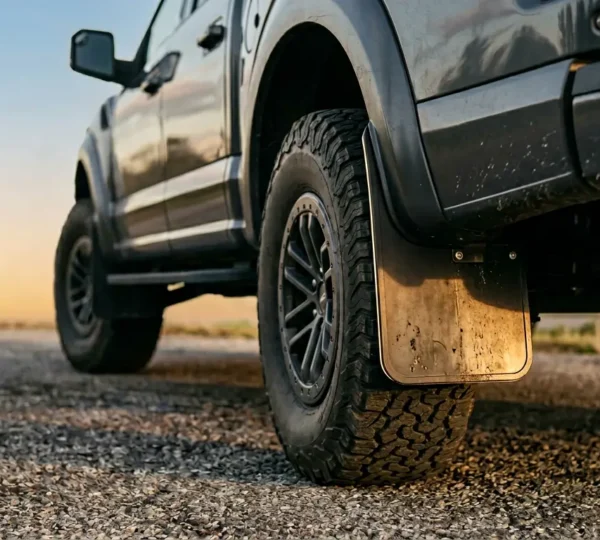
Mud Flaps: Tacky Relic or Essential Bodywork Insurance?
Beyond the debate on style, mud flaps are a calculated investment in preserving your vehicle’s structural integrity, with the highest return on investment among all paint protection methods. They act as the first line of defense against mechanical abrasion and…
Lire la suite
How to Adjust Your Seat to Avoid Back Pain After 2 Hours on the Road?
True driving comfort doesn’t come from a single ‘perfect’ seat position, but from creating a dynamic ergonomic system that actively prevents the build-up of postural debt. The most common seat adjustments often fail because they overlook secondary pressure points, like…
Lire la suite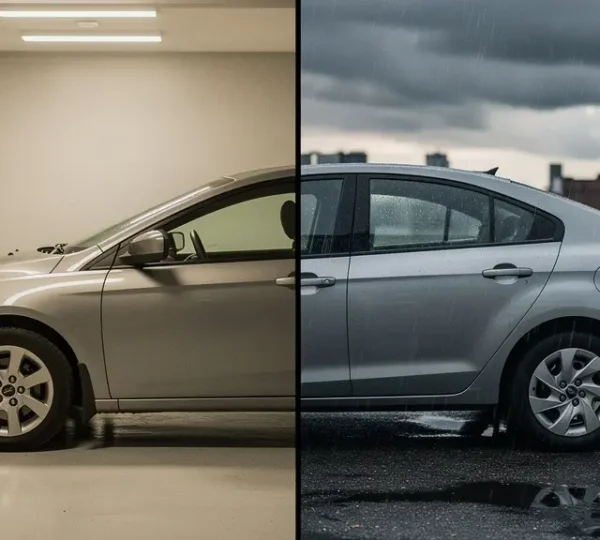
Is Comprehensive Insurance Still Worth It for a Car Over 8 Years Old?
Contrary to popular belief, keeping comprehensive insurance on an older car isn’t a safety net; it’s often a financial trap filled with coverage gaps and hidden costs. Small claims for theft or vandalism can trigger premium hikes that cost more…
Lire la suite
How to Structure Your Car Insurance to Pay Only for What You Need
Contrary to popular belief, the biggest savings on car insurance don’t come from endlessly comparing providers, but from understanding how underwriters actually calculate your personal risk profile. Your job title, declared vehicle use, and even minor modifications are not just…
Lire la suite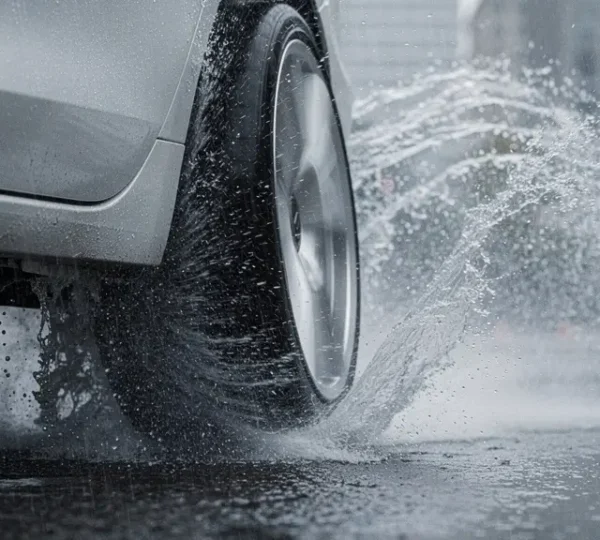
Why Your Car Needs Twice the Distance to Stop in the Rain
Most drivers instinctively understand they should slow down in the rain, but few grasp the unforgiving physics involved. This isn’t about simple addition; it’s about exponential forces. The doubling of stopping distance is a direct consequence of reduced friction and…
Lire la suite
How to See Road Dangers Before They Happen: A Guide to Proactive Driving
The greatest myth in driving is that safety comes from following rules; in reality, it comes from developing a proactive system of risk management. Most collisions are not sudden accidents but the result of a chain of events that an…
Lire la suite
How to Calculate the True Cost of Your Car Per Mile (Without Missing a Thing)
The biggest financial mistakes in car ownership aren’t in what you spend, but in what you fail to calculate. The true cost per mile (CPM) goes far beyond fuel and insurance; it’s dominated by « invisible » costs like depreciation and long-term…
Lire la suite